How Personal Mentors Help You Master Mental Maths Through Personalized Learning

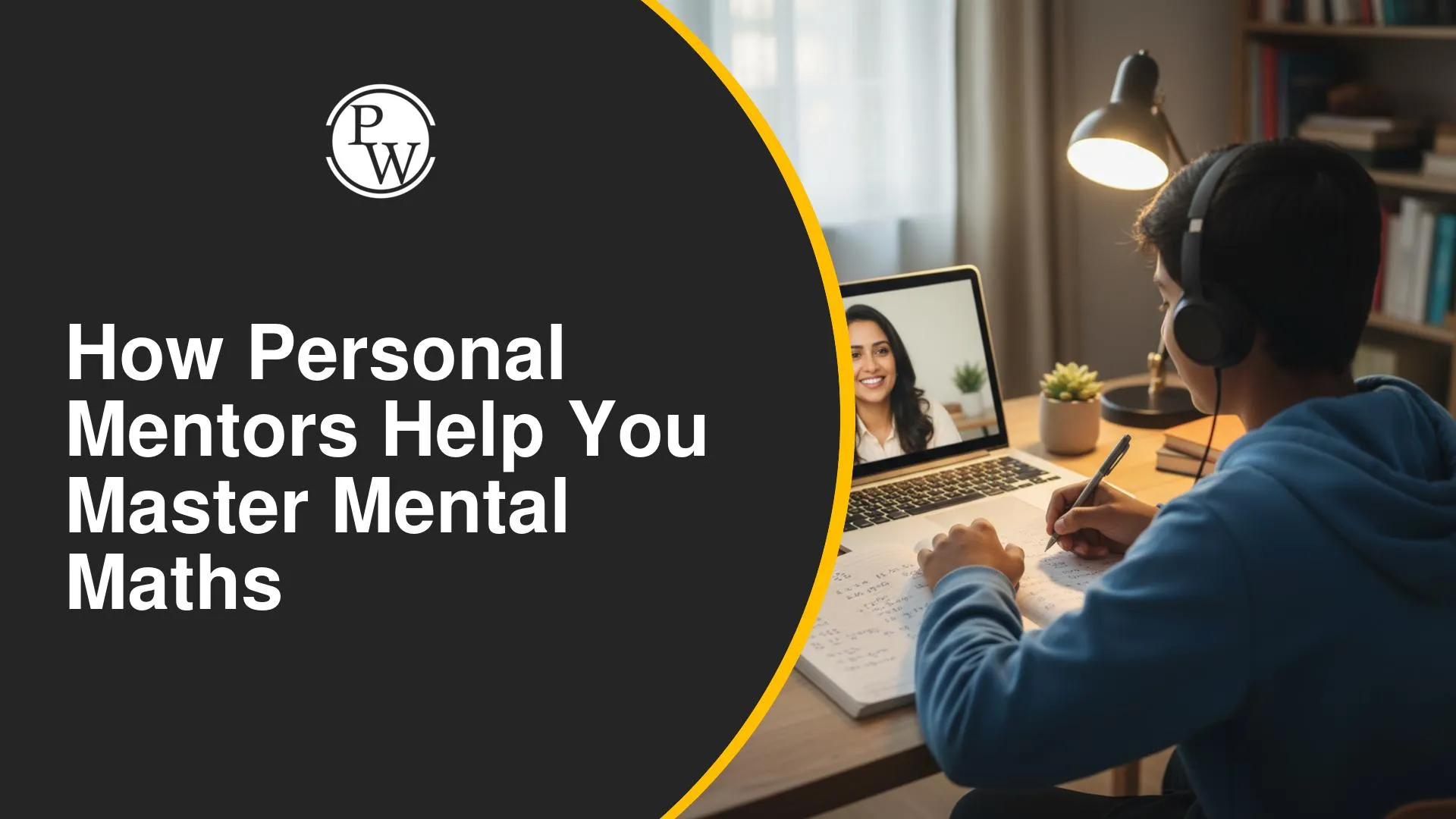
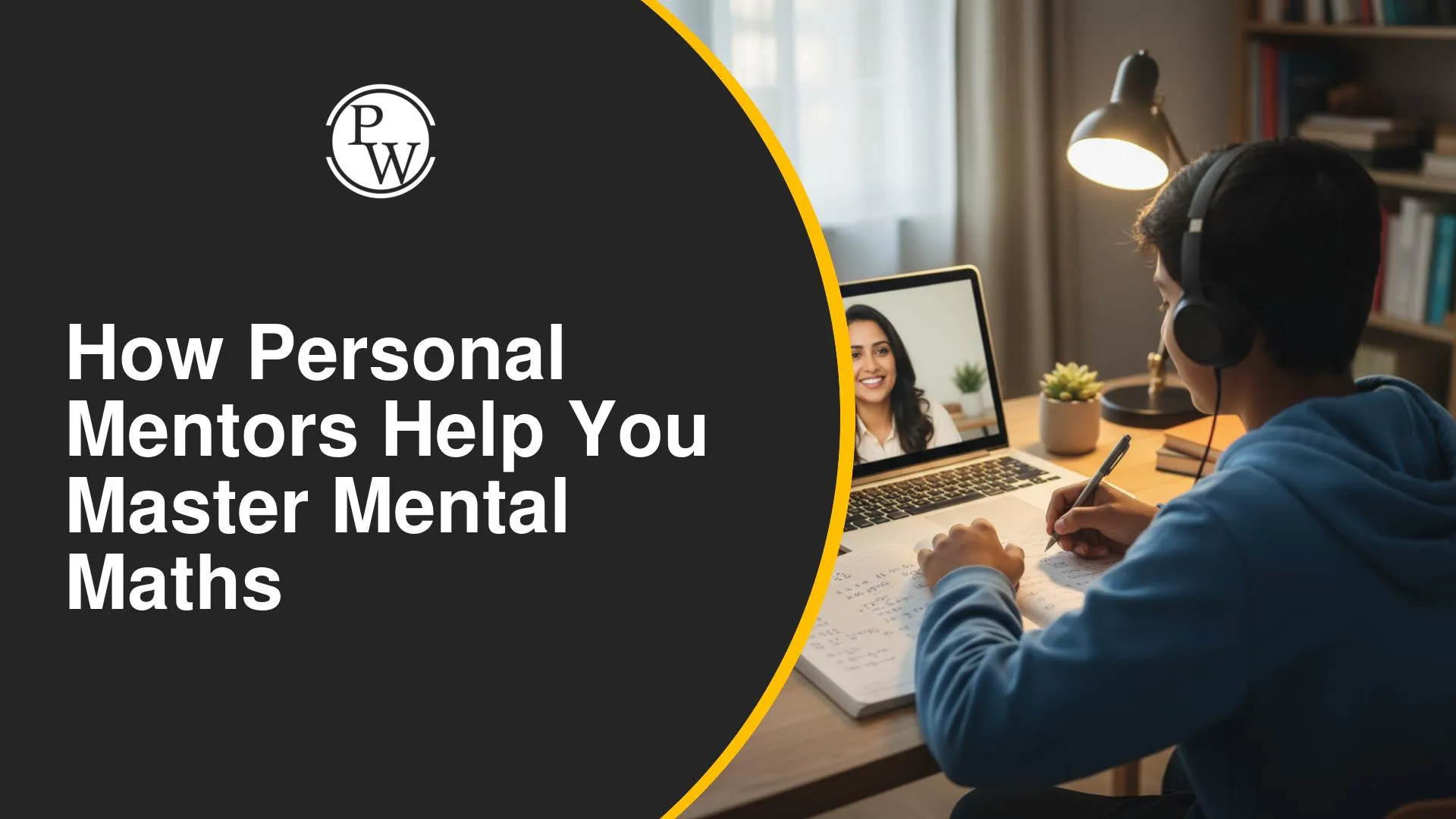
Learning mental maths requires more than memorising calculation techniques. Children develop stronger mathematical thinking when they receive consistent guidance, practise regularly, and understand concepts at their own pace. Since every child learns differently, a personalised approach can make mental maths more engaging and effective.
Personal mentors provide individual attention by monitoring progress, solving doubts, encouraging daily practice, and helping students build confidence step by step. When combined with interactive classes, structured revision, and continuous feedback, personalised learning creates a supportive environment that helps children strengthen their calculation skills over time.
Why Personal Mentors Improve Mental Maths Learning
Mental maths is more than solving calculations quickly. It helps children develop logical thinking, concentration, problem-solving skills, and confidence while handling mathematical questions in daily life. However, every child learns differently. Some students understand new concepts quickly, while others need additional explanations and regular practice.
This is where personal mentors make a meaningful difference. Rather than following the same teaching approach for every student, mentors understand each child's learning style, identify areas that need improvement, and provide guidance based on individual progress. This personalized maths learning approach helps children learn without unnecessary pressure and encourages steady improvement over time.
Programs like CuriousJr's Mental Maths by PW combine structured lessons with continuous mentor support, helping students build strong calculation skills in a systematic and engaging way.
Daily Guidance That Builds Strong Learning Habits
Consistent practice is one of the most important factors in improving mental maths. Personal mentors help children maintain a regular study routine by encouraging daily revision, monitoring assignments, and providing continuous guidance.
Regular Practice and Homework Support
Personal mentors help students stay on track by providing continuous academic support. Their responsibilities typically include:
-
Helping students complete homework.
-
Encouraging daily mental maths practice.
-
Solving doubts after live classes.
-
Motivating students to revise regularly.
-
Monitoring overall academic progress.
Regular interaction helps students stay connected with their learning goals instead of preparing only before assessments.
Attendance, Revision, and Class Follow-up
Consistency plays an important role in developing strong calculation skills. Personal mentors regularly monitor attendance, remind students about upcoming classes, and encourage revision of completed topics. This structured follow-up helps children develop disciplined study habits and maintain regular learning throughout the course.
Read More - What is Mental Maths? A Guide for Beginners
How Personal Mentors Strengthen Mental Calculation Skills
Mental maths develops gradually through regular practice, concept reinforcement, and timely feedback. Personal mentors guide students through each stage of learning, ensuring they understand the reasoning behind every technique rather than simply memorising shortcuts.
Breaking Complex Concepts into Simple Steps
Children often find mathematical concepts easier to understand when they are divided into smaller, manageable sections. Personal mentors simplify difficult topics, explain concepts clearly, and encourage students to master one step before moving to the next.
This gradual learning approach reduces confusion and helps students build confidence while solving calculations independently.
Identifying Mistakes and Tracking Progress
Every student makes mistakes while learning. Personal mentors observe common errors, explain where improvements are needed, and recommend additional practice whenever required.
By regularly tracking progress, mentors help students improve calculation speed, increase accuracy, and develop stronger mathematical thinking without feeling overwhelmed.
Interactive Learning Keeps Children Engaged
Children stay interested when learning includes interactive activities alongside concept-based teaching. Live participation, quizzes, and engaging classroom discussions make mental maths practice more enjoyable and encourage active learning.
CuriousJr's Mental Maths program includes several learning features designed to keep students engaged throughout the course, including:
-
Live interactive classes.
-
Real-time quizzes.
-
Story-based explanations where suitable.
-
Homework support.
-
Performance reports.
-
Parent-Teacher Meetings.
-
Recorded classes for revision.
These learning resources encourage students to participate actively while allowing parents to stay informed about their child's academic progress.
Read More - Using Real-Life Activities to Build Mental Maths Skills
Quick Doubt Resolution Builds Confidence
Unresolved doubts can slow down a student's progress and reduce confidence. Personal mentors provide timely academic support so that students can understand concepts clearly and continue learning without unnecessary delays.
Students can ask questions during live classes, while additional support after class ensures that learning continues beyond scheduled sessions. This continuous mental maths guidance helps students overcome learning gaps before they become larger challenges.
Dual-Teacher Support for Better Learning
An effective learning experience combines concept teaching with continuous academic guidance. CuriousJr's Mental Maths program follows a dual-teacher model to provide both.
Master Teacher
The Master Teacher focuses on classroom teaching by explaining concepts, demonstrating techniques, and conducting live interactive sessions that help students understand mental maths effectively.
Class Teacher
The Class Teacher supports students beyond concept delivery by monitoring attendance, assisting with homework, solving doubts, tracking academic progress, and maintaining regular communication with parents. This ongoing student mentoring ensures that children receive continuous guidance throughout the course.
How Personal Mentors Support Learning Beyond Live Classes
Effective learning continues even after live classes. Personal mentors encourage regular revision, recommend additional practice, monitor progress, and help students strengthen concepts using recorded sessions and homework support.
Their continued guidance may include:
-
Homework assistance.
-
Progress tracking.
-
Practice recommendations.
-
Revision support through recorded classes.
-
Regular updates for parents.
This continuous support helps students stay motivated and maintain consistent improvement in mental maths.
Why Parent Communication Matters
Parents play an important role in supporting a child's learning journey. Regular Parent-Teacher Meetings give mentors an opportunity to discuss each student's overall progress and identify areas where additional practice may be helpful.
These discussions commonly include:
-
Attendance.
-
Classroom participation.
-
Homework completion.
-
Academic progress.
-
Topics requiring additional attention.
Regular communication allows parents to understand how their child is progressing and how they can encourage learning at home.
How to Choose the Right Online Mental Maths Program
While selecting an online mental maths classes, parents should consider more than the course syllabus. A well-structured learning program should provide continuous academic support along with quality teaching.
Important features to look for include:
-
Live interactive classes.
-
Experienced teachers.
-
Dedicated mentor support.
-
Homework assistance.
-
Regular performance reports.
-
Recorded classes.
-
Parent-Teacher Meetings.
-
Practice material.
A reliable maths tutor online should not only explain mathematical concepts but also help students stay motivated, practise consistently, and build confidence throughout their learning journey.
Mastering mental maths requires consistent practice, personalised guidance, and continuous encouragement. Personal mentors support students throughout this journey by helping them understand concepts, practise regularly, solve doubts, and monitor their progress.
Combined with interactive teaching, recorded lessons, homework support, and regular parent communication, this personalised approach creates a strong foundation for long-term mathematical confidence and problem-solving skills.
Personal Mentors Help You Master Mental Maths FAQs
How do personal mentors help students improve mental maths?
Is Mental Maths suitable for all students?
What is the role of a Class Teacher in CuriousJr?
Are recorded classes available if a student misses a session?
Why is personal mentoring important in online mental maths learning?





Get Free Counselling Today
and Clear up all your Doubts
 Live & recorded classes available at easeDashboard for progress trackingLakhs of practice questions