Is AI-Based Learning the Future of Education? What Parents Need to Know?
 Jasdeep Singh29 Apr, 2025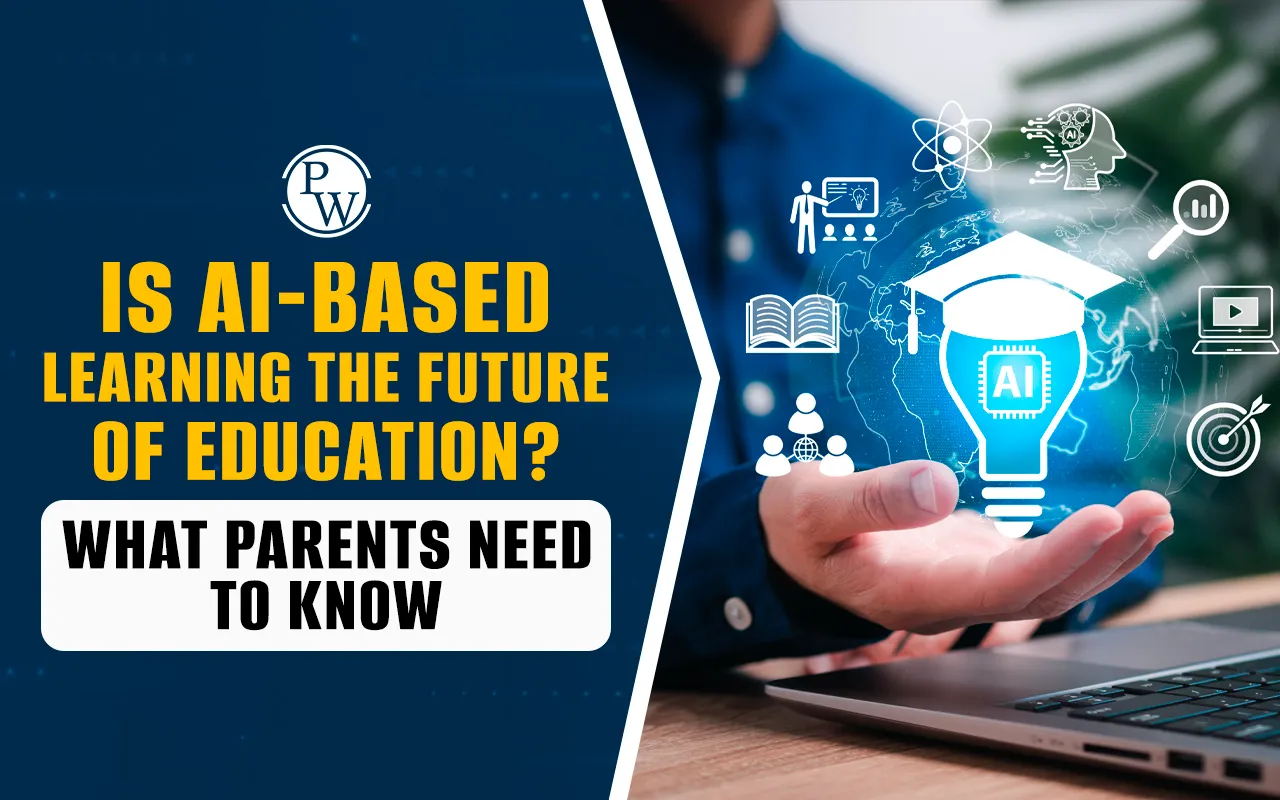
Artificial Intelligence has steadily moved from science fiction into everyday life, and now it’s entering the classroom. Whether it’s ChatGPT helping a student brainstorm an essay or AI-powered platforms customizing lesson plans, AI-based learning tools are transforming education.
But with innovation comes uncertainty. As more schools integrate AI into their teaching, parents are asking an important question: Is AI truly the future of education? And what does it mean for their children?
This article explores what AI-based learning looks like today, its advantages and risks, and what parents should be aware of to support their children in this new era of digital education.
The Future of Education: Online vs. Traditional Learning
How AI Is Impacting Education?
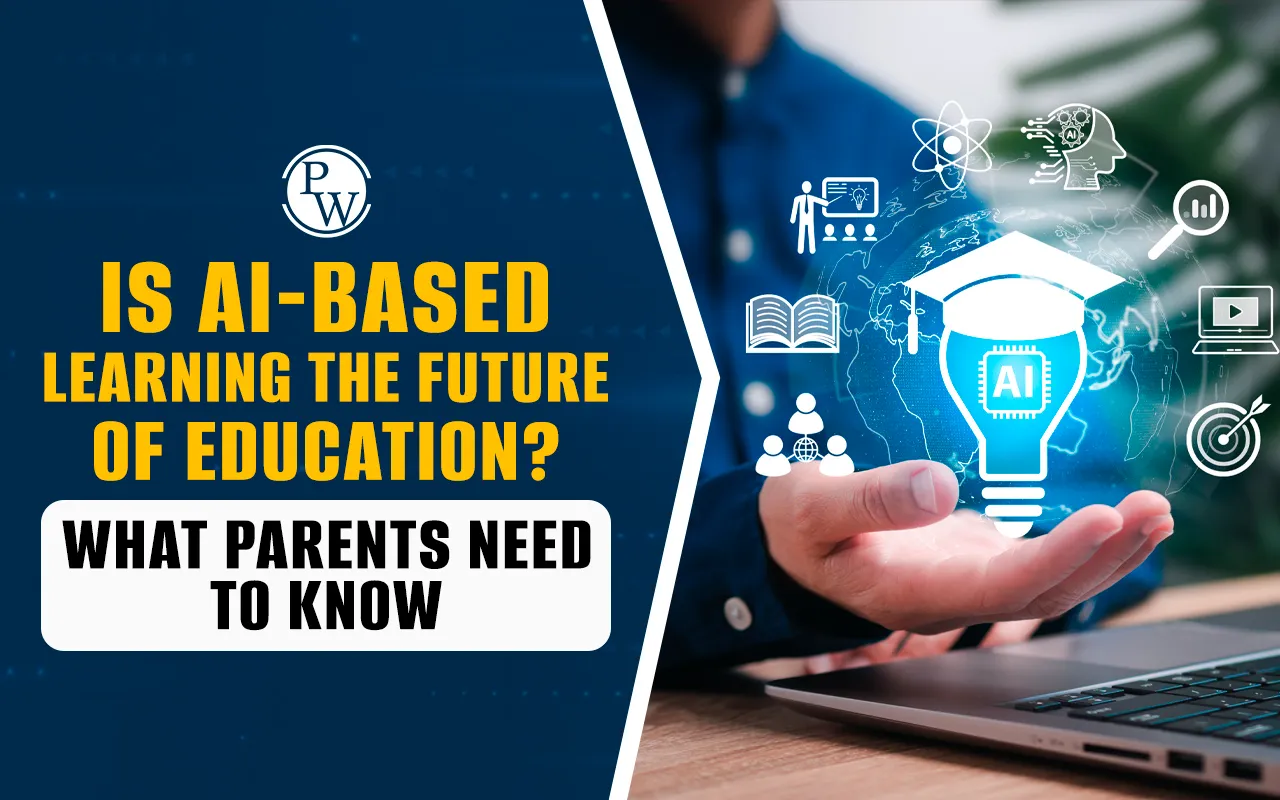
AI in education is more than just chatbots or robotic tutors. It has become a growing system of tools designed to make learning more efficient, personalized, and accessible. These innovations are changing the way students learn and how teachers manage classrooms.
Here are the main areas where AI is reshaping education:
-
Creating personalised learning journeys that focus on each student's strengths and areas needing growth.
-
Real-time feedback on assignments and tests helps students correct mistakes quickly.
-
Support for teachers by automating tasks like grading, scheduling, and communication.
-
Content generation tools that create summaries, quizzes, and visual aids.
-
Accessibility features like voice recognition, text-to-speech, and adaptive formats for students with special needs
A recent study found that most students now use artificial intelligence to help with their studies. About 86% said they use AI, with 24% using it daily and more than half using it at least once a week.
How AI is Changing the Way Students Learn
Benefits of AI-Based Learning for Students
AI’s growing presence in education offers several advantages that can enhance the learning experience when used wisely:
Personalized Learning
AI adapts content to fit each student’s learning style and pace. This helps students who need extra practice while challenging those who are ready to move ahead.
Faster Feedback
AI tools can instantly evaluate student work and provide detailed feedback, helping learners understand their mistakes and improve more efficiently.
Greater Accessibility
AI tools like text-to-speech, real-time translation, and speech recognition make learning easier for students with disabilities or those who struggle with traditional formats.
Enhanced Engagement
Interactive AI platforms can turn complex topics into engaging activities, games, or simulations, increasing motivation and retention.
Why Personalized Learning is the Future of Education
What Worries Parents About AI in Education?
Even though AI has many benefits, many parents still have concerns about how it's being used in schools. In a recent survey, 80% of parents said they were worried about the role of AI in their children's learning. Here are the main reasons why:
Data Privacy and Safety
Parents are worried about how their child’s personal information is collected and stored. They fear it could be misused, stolen, or shared without permission.
Cheating and Plagiarism
Some AI tools make it easy for students to write essays or solve problems without really understanding the subject. This raises concerns about honesty and fair learning..
Bias in AI Tools
Some AI systems don’t work fairly for everyone. For example, students who aren’t native English speakers might be wrongly flagged for using AI, even when they haven’t.
Lack of Conversations at Home
Only 35% of parents have talked to their kids about using AI in school. Without these talks, children might use AI in ways that aren’t safe or helpful for learning.
Too Much Screen Time
Parents worry that using AI tools might lead to more screen time. This could affect sleep, focus, and overall health if not balanced with offline activities.
Screen Time and Online Learning: Finding the Right Balance
Cost and Access
Some AI learning tools can be expensive or require a strong internet connection. Families without access to these resources may feel left out or at a disadvantage compared to others.
What Parents Should Know and Do?
With more students using AI for learning, it’s natural for parents to have concerns. From data privacy to cheating to emotional development, these worries are valid and worth addressing.
As a parent, you don’t need to be a tech expert, but you do play an important role in guiding your child to use AI responsibly and safely. Here’s what you can do:
-
Be Informed About What They’re Using and Why
Many children use AI tools such as chat assistants or educational apps without fully understanding how they work.
Spend time looking into the tools your child uses so you can see not only what the tool does but also why your child likes using it.
This can help you understand whether the tool is truly supporting their learning or simply making tasks easier without helping them learn the material.
-
Talk Honestly About Cheating and Shortcuts
One of the biggest concerns is students using AI to complete assignments with little or no effort. Have calm, honest conversations about academic honesty.
Explain that learning takes time, and while AI can assist, it should never be a way to avoid thinking. Remind them that making mistakes and putting in effort are essential parts of learning.
-
Set Healthy Limits on Screen Time and AI Use
If your child is turning to AI for every task or spending too much time online, it’s time to pause. Encourage a healthy mix of breaks, outdoor exploration, creative activities, and reading. Help your child understand that while AI is helpful, their brain needs rest, variety, and real-world interaction to grow.
-
Make Privacy and Safety Part of the Conversation
Children may not fully understand how much they are sharing when using AI tools. It is important to explain that not everything should be typed or uploaded online, even if the tool seems helpful or fun.
Help them understand that details like where they live, photos, or anything personal should be kept private. Explain that once something is shared, it’s hard to take back, and not all platforms protect information safely.
-
Encourage Social Interaction
One fear with too much AI is the loss of human connection. Make time for face-to-face conversations, family meals, group activities, and offline fun.
Encourage your child to work on group projects, talk to teachers, and build friendships. Social and emotional growth is just as important as academic success.
Importance of Extracurricular Activities in Student Growth
-
Watch for Signs of Over-Reliance or Confusion
If your child’s work suddenly changes, it's done too quickly, lacks depth, or they can’t explain it, gently ask questions. Are they understanding the topic? Are they copying answers from AI without learning? Your attention can help spot overuse before it becomes a habit.
The Role of Parents in Online Learning Success
What Children Must Still Learn in the Age of AI?
As AI becomes more common in learning, many people are asking an important question. If students can get instant answers from AI, do they still need to memorize facts?
This question is leading to new ideas about which skills should be taught and what will stay important in the future. While technology can help with basic information, there are certain skills that will always matter for your child’s growth and success.
Here are the core skills that remain essential:
-
Problem-solving: Students still need to learn how to think through challenges and find their own solutions.
-
Communication: Being able to express thoughts clearly, both in writing and speaking, remains a key life skill.
-
Emotional intelligence: Understanding their own feelings and recognizing how others feel helps children build stronger relationships.
-
Ethics: Knowing the difference between right and wrong, especially when using powerful tools like AI, will always be important.
-
Cultural understanding: Children should learn to respect different backgrounds, perspectives, and ideas in a connected world.
-
Lifelong learning habits: Curiosity, self-motivation, and the ability to keep learning over time are more important than ever in a fast-changing world.
Just like calculators once changed how math was taught, AI is now shifting how we think about education. The focus is moving from memorizing facts to developing deeper thinking and strong values.
As a parent, your support at home helps shape this change. By encouraging these lasting skills, you prepare your child for success in a future where technology and human understanding grow side by side.
Public Speaking Skills for School Students
Future Trends of AI In Education
AI is changing education by offering personalized learning and making knowledge more accessible. As we move forward, teachers' roles will shift. They will manage AI tools, select content, and ensure it’s relevant for each student. This will free up teachers to focus more on offering personalized support, while AI takes care of tasks like grading and content delivery.
Schools will regularly assess how AI can improve teaching methods, research, and overall operations to stay competitive and offer quality education.
In the future, AI and teachers will collaborate to create more efficient, flexible, and accessible learning environments, improving student outcomes and making education more engaging.