How to Improve Reading Skills in Students?
 Shivam Singh19 Sept, 2025
How to Improve Reading Skills?
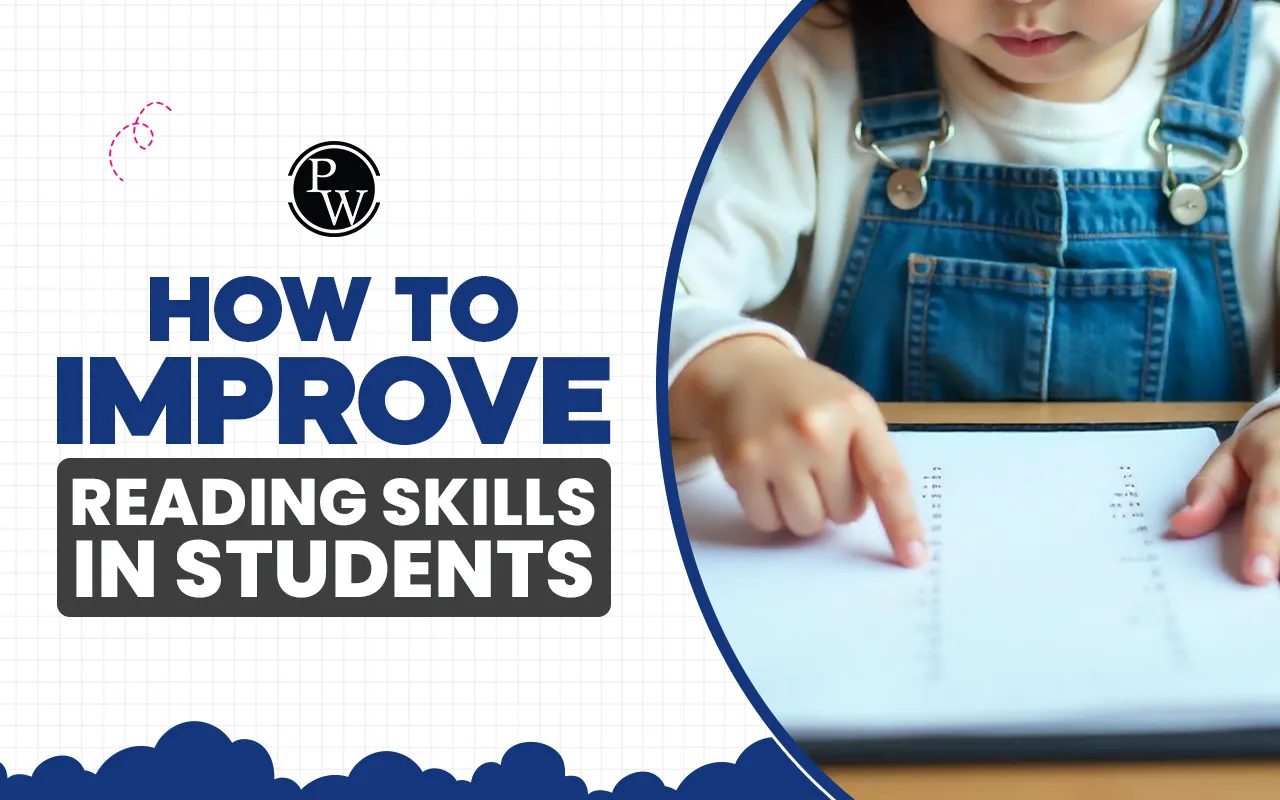
Reading is one of the most important skills your child will ever develop. It supports learning, builds confidence, and helps children explore new ideas. For many students, reading can take time, and that’s completely normal. What matters most is the support they receive along the way.
If you are wondering how to improve reading skills for your child, here we have shared ten tips to improve reading skills in students that are simple to use, and help make reading feel more enjoyable.
Read More: Tips to Improve Public Speaking Skills
Why is Improving Reading Skills Important for Students?
Before we look at how to improve reading skills, let’s take a moment to understand why reading matters so much for students.
Reading is more than saying words out loud. It helps students understand, use their imagination, and make connections. When students build good reading comprehension skills, they:
-
Learn more easily across all subjects
-
Grow their vocabulary and writing ability
-
Gain confidence and become more curious
-
Express their thoughts clearly
-
Make better decisions and form opinions
Children who read often at home tend to show better reading ability, a greater interest in books, and improved language development. So how can you help your child enjoy reading and improve their skills over time? Let’s look at some simple and useful ideas you can try at home in the following section.
Top 10 Ways to Improve Reading Skills in Students
Here are 10 simple ways parents can help improve reading skills in students, starting right at home.
-
Let Your Child Choose Books
Children read more when they choose what interests them. Picture books, stories, graphic novels, or nonfiction based on their favorite topics keep them engaged. Instead of forcing “academic” books, offer options and let them decide. This freedom builds steady habits and makes reading a positive experience.
-
Talk About the Topic Before Reading
A little conversation before reading can go a long way. If the book is about animals, science, or a faraway place, ask your child what they already know about that topic. You might show them a picture, recall a shared memory, or ask a question to spark interest.
When children begin a book with some background knowledge, they are more prepared to follow the story and understand what they are reading. This can reduce confusion and make it easier to stay engaged with the text.
3. Read Aloud Together
Reading aloud is one of the most effective ways to support your child’s reading journey. It gives them a chance to hear how stories sound, how sentences are built, and how words are used in real situations. This helps children become more familiar with language and encourages them to enjoy the rhythm and flow of reading.
4. Help Your Child Picture the Story
While reading, invite your child to imagine what is happening. Ask them to picture the setting, the characters, or the action. You can say things like, “Can you see the place where the story is taking place?” or “What do you think the character looks like?”
Some children enjoy drawing scenes or characters as they read. This can help them hold on to the details and stay focused. Visual thinking adds another layer of connection to the story, especially for children who like to learn through images or creative activities.
5. Ask What the Story Was About
After reading, ask your child to tell you what happened in the story. Encourage them to use their own words and explain the main idea or key events. You might ask questions like, “What was the story really about?” or “What happened first and what happened last?” If they are unsure, you can go back and review parts of the book together. The goal is not to test your child, but to help them focus on what matters most in the story.
Read More: How to Improve English Speaking Skills at Home
6. Build Vocabulary Through Everyday Talk
Vocabulary is an important part of how to improve reading skills. When children know more words, reading becomes more comfortable and less confusing. You don’t need to rely on drills or memorization. Many words can be learned through regular, everyday conversations.
If your child comes across a new word in a book, pause and explain it in a clear way. Say it in a sentence your child can understand, and invite them to try using it themselves. This kind of back-and-forth helps the meaning stick.
7. Include Reading in Everyday Life
Reading doesn’t only happen with books. You can include reading in everyday tasks by inviting your child to read:
-
Recipes while cooking
-
Instructions for a game
-
Menus when ordering food
-
Labels or signs while shopping
These small moments show that reading has a purpose in real life. They also help students understand that reading can happen anywhere.
8. Be a Reading Example
Children learn a lot by watching what their parents do. When they see you reading, they begin to understand that it is a natural and enjoyable part of daily life.
Try reading where your child can see you. This could be a book, a magazine, a recipe, or something else you enjoy. You can also talk about what you are reading and ask your child about their books.
9. Make Reading Feel Playful
Not every child wants to sit still for long periods, especially after school. If your child needs more movement or fun, turn reading into a game. You can act out a scene, guess what happens next, or play word games like rhyming or charades based on the story. Playful approaches keep your child engaged and show them that reading doesn’t have to be serious or quiet all the time. It can be part of laughter, creativity, and imagination.
10. Celebrate Small Steps
Learning to read takes time. Some children may finish books quickly, while others may take more time to build confidence. Either way, pay attention to effort. Celebrate when they finish a story, learn a new word, or try reading aloud even if they struggle. Kind words go a long way. Try not to focus too much on how fast they are progressing. What matters most is that they feel supported and proud of what they can do.
Also read: 10-Minute Daily Exercises to Improve Mental Maths Skills
Improve Your Child’s English Reading Skills with Curious Jr Online Classes
Give your child the confidence to read and speak English fluently with our online English classes. At CuriousJr, we make reading simple, fun and interactive for children aged 6 to 14.
Our classes focus on expanding vocabulary, improving reading fluency and developing grammar and writing skills step by step. Through reading sessions, storytelling and engaging activities, children start enjoying books and feel more confident using English.
Small groups or one on one sessions offer personal attention, while live lessons encourage participation and regular practice. From early readers to advanced learners, our levels Starters, Movers, Key and Preliminary help children progress naturally and communicate with ease.
Book a demo session today and watch your child enjoy learning English every day.