How to Build Maths Confidence in Children Who Avoid Numbers with CuriousJr Mental Maths
 Mishika Gupta8 Sept, 2026
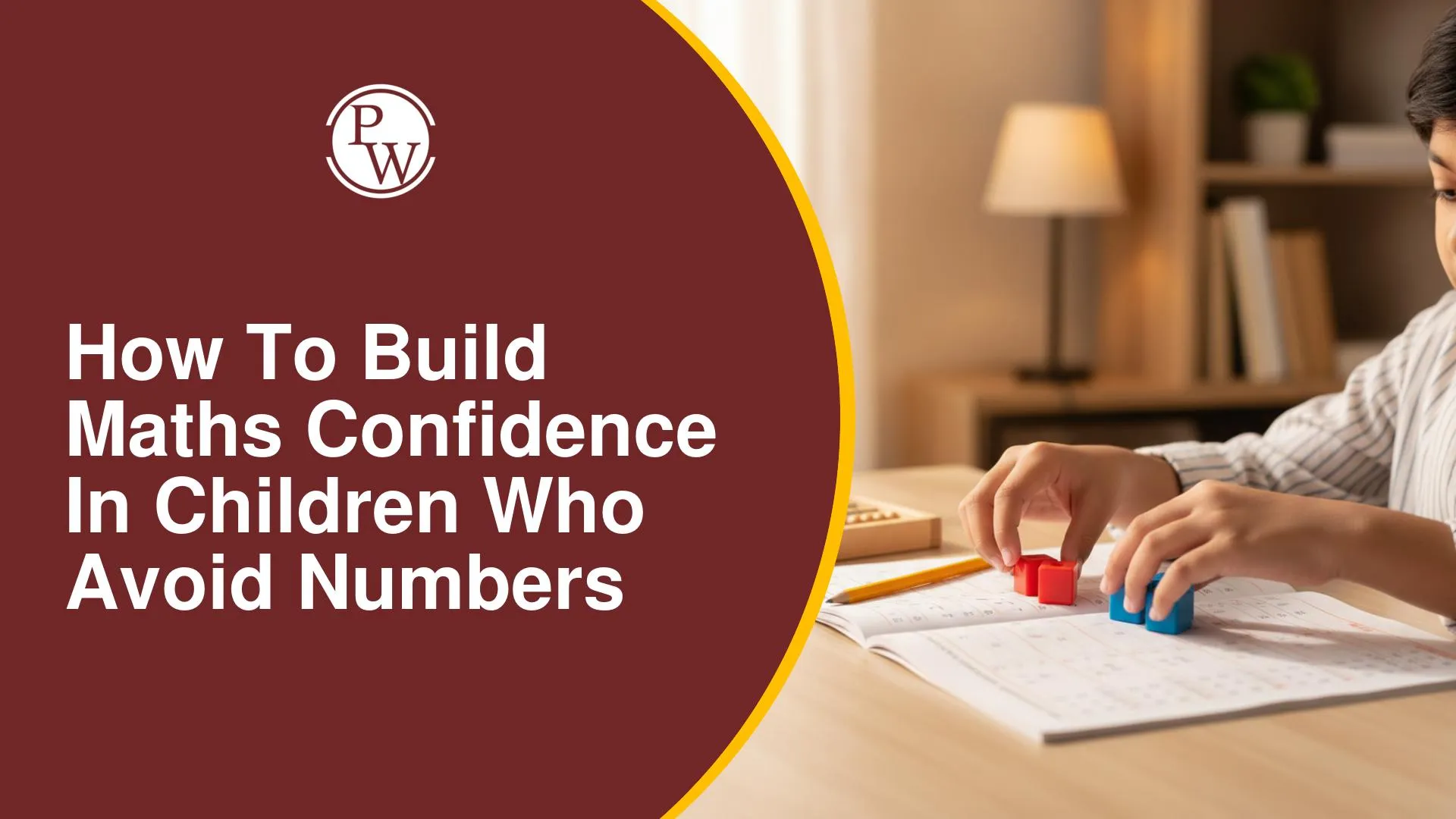
Some children avoid Maths not because they cannot learn it, but because numbers make them feel anxious or unsure. They may hesitate before answering, worry about making mistakes, or believe they are “not good at Maths.” Over time, this hesitation can affect classroom participation, homework and overall confidence.
CuriousJr Mental Maths helps children from Classes 1 to 8 build confidence through school Maths, fast calculation techniques and regular practice. Instead of focusing only on speed, the programme encourages children to strengthen number sense, reasoning, accuracy and independent problem-solving through interactive online learning.
Why Do Some Children Avoid Numbers?
Avoiding numbers is often linked to confidence rather than ability. When children repeatedly find calculations difficult, they may begin to lose interest in Maths.
Common reasons include:
-
Fear of making mistakes in front of others
-
Difficulty with basic calculations
-
Limited practice with numbers
-
Feeling that Maths is too complicated
-
Depending heavily on calculators or written methods
-
Losing confidence after getting answers wrong
The first step is to help children experience small successes instead of expecting them to solve difficult problems immediately.
How Can Small Successes Build Maths Confidence?
Children become more confident when they solve manageable problems and gradually progress to more challenging ones. Every correct calculation reinforces the idea that improvement is possible.
|
Approach |
How It Helps Your Child |
|
Simple calculations first |
Builds confidence before introducing harder questions. |
|
Step-by-step learning |
Makes new concepts easier to understand. |
|
Regular praise for effort |
Encourages children to keep trying. |
|
Gradual difficulty |
Helps children improve without feeling overwhelmed. |
|
Independent thinking |
Develops confidence in solving problems without constant help. |
Consistent progress is more valuable than solving the most difficult questions on day one.
Read More - Does Mental Maths Improve IQ? How CuriousJr Helps Build Thinking Skills in Children
Which Everyday Activities Make Maths More Enjoyable?
Maths confidence grows when children see numbers as part of everyday life rather than only schoolwork. Short, enjoyable activities can make practice feel natural.
Try these activities at home:
-
Play number and counting games
-
Practise quick mental calculations during shopping
-
Spot number patterns in daily life
-
Estimate totals before checking the exact answer
-
Solve simple mental challenges together
-
Encourage children to explain how they found an answer
These activities help children become comfortable using numbers without creating unnecessary pressure.
Why Is Understanding More Important Than Speed?
Fast calculation is useful, but it should never replace conceptual understanding. Children develop stronger mathematical confidence when they know how they reached an answer.
Encourage your child to:
-
Explain each step of their thinking
-
Compare different ways to solve the same question
-
Check whether an answer makes sense
-
Focus on accuracy before speed
-
Learn from mistakes instead of avoiding them
When children understand the reasoning behind calculations, they become more willing to attempt unfamiliar problems.
Read More - How to Learn Mental Maths from Zero Level
How Does CuriousJr Mental Math Build Confidence?
CuriousJr Mental Maths combines school Maths with fast calculation techniques, helping children strengthen both academic understanding and everyday numerical skills.
Learning approach
|
Learning Area |
Focus |
|
School Maths |
Reinforces concepts aligned with the school curriculum. |
|
Fast Calculation Techniques |
Builds efficient addition, subtraction, multiplication and division skills. |
|
Speed & Accuracy |
Improves calculation fluency through regular practice. |
|
Reasoning Practice |
Develops logical thinking and problem-solving abilities. |
|
Olympiad Preparation |
Introduces competitive and reasoning-based Maths questions. |
The programme focuses on helping children become confident and accurate, rather than treating speed as the only measure of success.
How Do Interactive Classes Make Maths Less Stressful?
Children often participate more actively when learning includes interaction instead of repetitive worksheets. CuriousJr uses engaging classroom experiences to make Maths more approachable.
Features include:
-
Daily live classes
-
Recorded lessons for revision
-
Interactive quizzes
-
Practice material
-
Storytelling and visual explanations
-
Gamified classroom activities
-
Homework support
-
Regular performance reports
These activities encourage children to practise consistently while keeping learning enjoyable.
What Role Do Teachers Play in Building Math Confidence?
Supportive teachers help children identify where they are struggling instead of simply correcting answers. CuriousJr follows a 1:20 maximum student ratio with a dual-teacher support system.
|
Teacher |
How They Support Your Child |
|
Master Teacher |
Teaches concepts, calculation techniques and guided practice. |
|
Class Teacher / Mentor |
Addresses doubts, tracks attendance, shares feedback and stays connected with parents through WhatsApp. |
Children also benefit from:
-
Instant doubt-solving
-
Parent-Teacher Meetings (PTMs)
-
Progress reports
-
Regular academic guidance
This continuous support helps children build confidence gradually over time.
How Can Parents Support Mental Maths at Home?
A few minutes of consistent practice is often more effective than long study sessions. Parents can help children develop positive Maths habits through simple routines.
Daily habits that help:
-
Practise 5–10 quick calculations each day
-
Revise one calculation technique regularly
-
Discuss number patterns during everyday activities
-
Solve one reasoning or estimation challenge together
-
Review progress reports with your child
-
Celebrate improvement, not just correct answers
These habits encourage children to see Maths as a skill that improves with practice.
Maths confidence develops through understanding, regular practice and positive learning experiences, not speed alone. CuriousJr Mental Maths Class helps children strengthen school Maths, calculation techniques, reasoning and accuracy through interactive classes, quizzes, teacher support and guided practice, helping them become more confident with numbers over time.
Build Maths Confidence in Children Who Avoid Numbers FAQs
Does Mental Maths only focus on calculation speed?
How do teachers support children who struggle with Maths?
Can Mental Maths help with school exams?





Get Free Counselling Today
and Clear up all your Doubts
 Live & recorded classes available at easeDashboard for progress trackingLakhs of practice questions