
Signs Your Child May Need Extra Math Practice in Class 1
 Mishika Gupta13 Aug, 2026
Class 1 is an important stage for developing number sense, basic calculations and confidence in Math. At this age, you may notice that your child understands a concept in class but still takes time to count, solve simple sums or complete homework.
Recognising these signs early can help you provide the right support before small difficulties become bigger learning gaps. Regular, age-appropriate practice can strengthen basic Math skills, improve calculation speed and help your child feel more comfortable while solving questions. CuriousJr Mental Math supports this learning through live interactive classes, guided practice and age-appropriate activities that help children strengthen their number skills and build confidence.
Why Class 1 Math Skills Matter
Class 1 Math introduces children to the basic ideas they will continue using throughout their school years. Building a clear understanding at this stage can make future concepts easier to learn.
Your child begins working with:
-
Numbers: Recognising numbers, counting and understanding quantities from 1 to 99.
-
Basic operations: Adding and subtracting single-digit numbers and numbers up to 20.
-
Patterns: Identifying and continuing simple number and visual patterns.
-
Shapes: Recognising common shapes and understanding basic spatial ideas.
-
Measurement: Comparing length and understanding simple measurements.
-
Time and money: Learning about daily routines, clocks and simple spending situations.
-
Data: Reading and understanding simple information presented through objects or pictures.
Alongside school Math, developing number sense and reasoning can help your child approach questions with greater understanding instead of depending only on memorisation.
Read More - Speed Maths Test for Class 1 (Try Now)
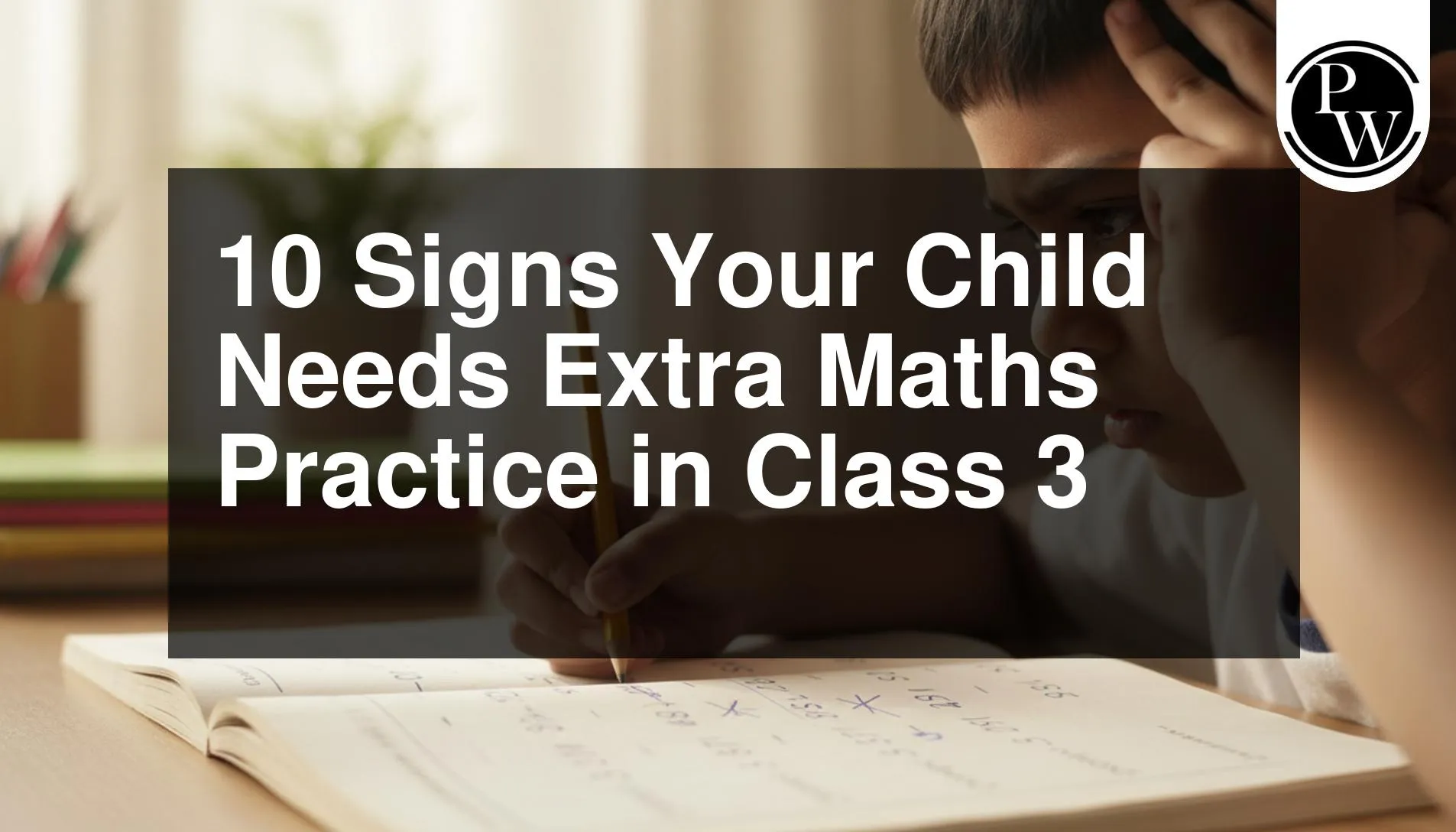
Signs Your Child May Need Extra Math Practice
Every child learns Math at a different pace. However, certain habits may indicate that additional practice could be useful.
-
Difficulty recognising numbers and their values
If your child frequently confuses numbers or finds it difficult to understand which quantity is greater or smaller, more number-based activities may help strengthen these basics.
-
Making repeated calculation errors despite practice
If your child continues making similar calculation mistakes even after practising, they may need a different explanation or more guided, concept-based practice.
-
Struggling with simple addition and subtraction
If your child finds basic addition and subtraction difficult even after repeated practice, they may benefit from activities that strengthen number relationships and calculation strategies.
-
Taking too long to complete basic Maths homework
If simple calculations or homework take much longer than expected, your child may need more practice with number relationships and basic calculation strategies.
-
Avoiding Math or showing low confidence
Saying that Maths is difficult, avoiding homework or becoming nervous before solving questions can be signs that your child needs a more encouraging approach to practice.
-
Losing focus during Maths practice
If your child frequently loses focus during Maths lessons, avoids completing simple questions, or needs repeated reminders to stay engaged, shorter and more interactive practice sessions may help.
These signs do not mean your child is weak in Math. They simply show where additional support and regular practice may be helpful.
How Regular Practice Can Strengthen Class 1 Math Skills
Extra Math practice works best when children understand how numbers work instead of simply memorising answers. Short and engaging activities can help develop skills gradually without making learning feel stressful.
You can focus on:
-
Number sense: Understanding quantities, number relationships and simple comparisons.
-
Mental calculation: Practising easy addition and subtraction without depending on written steps every time.
-
Patterns: Finding what comes next in a number or visual sequence.
-
Logical reasoning: Solving simple classification, odd-one-out and sequencing activities.
-
Quantitative reasoning: Comparing quantities and understanding basic numerical relationships.
-
Memory skills: Remembering number combinations and applying them when solving questions.
Activities such as grouping objects, skip counting, finding complements to 10 and practising doubles can make basic calculations easier to understand.
Read More - 10-Second Addition Tricks for Class 1
How CuriousJr Supports Your Child’s Math Practice
Learning a technique is only useful when your child gets enough opportunities to apply it. CuriousJr combines teaching with regular practice and ongoing academic support.
-
Live interactive classes: Your child learns directly with teachers and participates during lessons.
-
Math games and activities: Interactive tasks make practice more engaging for young learners.
-
Visual explanations: Concepts are explained using simple visuals to make them easier to understand.
-
Dual-teacher model: A Master Teacher focuses on concept delivery, while the Class Teacher supports homework, doubts and regular academic follow-up.
-
Homework assistance: Your child can receive help with CuriousJr and school Math homework.
-
Doubt support: Questions can be addressed during classes and through teacher support after class.
-
Practice material: Regular exercises give your child opportunities to apply newly learned concepts.
-
Performance reviews: Progress is reviewed to identify areas where additional practice may be needed.
-
Parent-teacher meetings: Parents receive updates about learning and performance through regular PTMs and reports.
This combination gives your child opportunities to learn, practise, ask questions and improve rather than simply attend a class and move on to the next topic.
Early Math practice can help your child strengthen number sense, calculation skills and confidence. If you notice repeated counting mistakes, slow calculations or Math anxiety, regular support can make a difference. With concept-based practice and CuriousJr Mental Maths for Class 1 , your child can build stronger fundamentals and approach Math with greater confidence.
Signs Your Child May Need Extra Math Practice in Class 1 FAQs
How can I tell if my Class 1 child needs extra Math practice?
Is using fingers for Math normal in Class 1?
What Math skills should a Class 1 child practise?







Get Free Counselling Today
and Clear up all your Doubts
 Live & recorded classes available at easeDashboard for progress trackingLakhs of practice questions

