9 Best Ways to Track Your Child’s Learning Progress in Online Classes
 Jasdeep Singh3 May, 2025
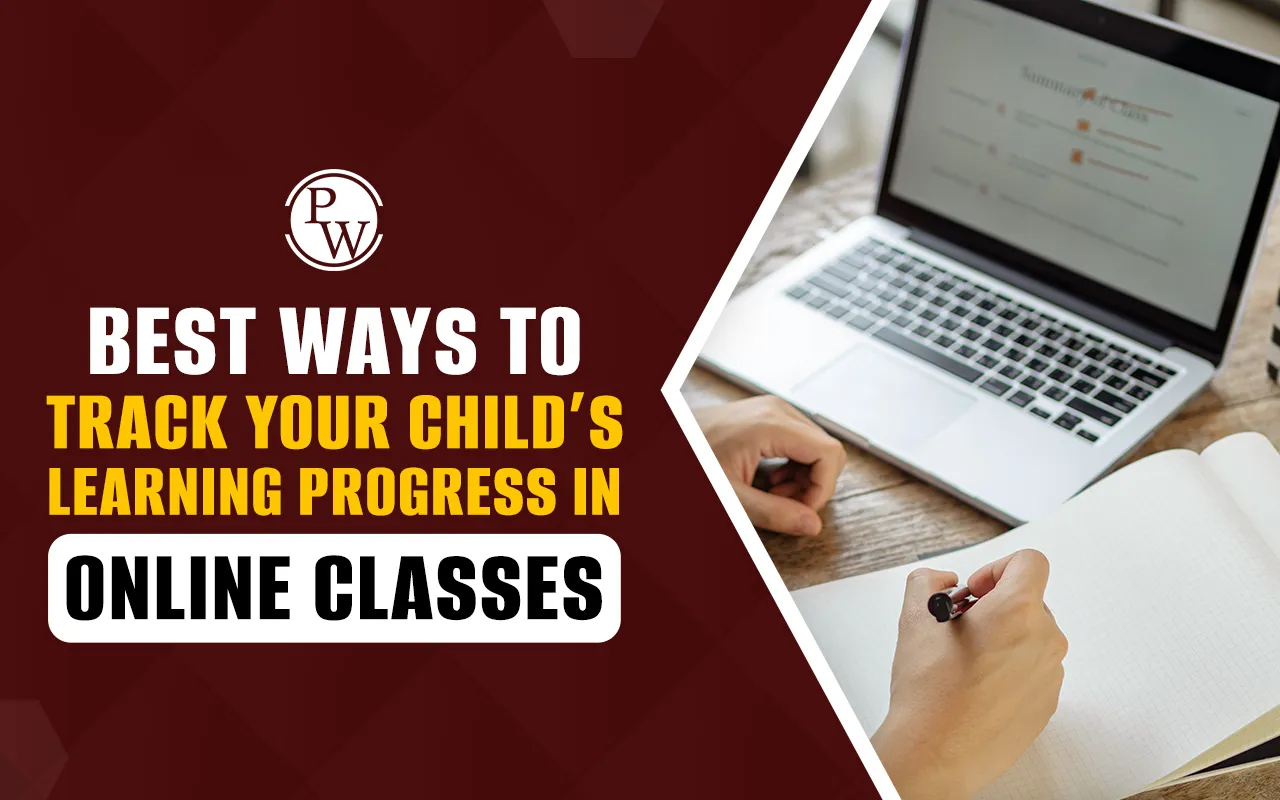
As a parent, supporting your child's academic growth is one of your most important responsibilities. Staying involved in their learning journey helps you understand their strengths, notice any challenges early, and offer the right support when needed.
Online classes bring flexibility, but can also make it harder to see how well your child is progressing. Without daily updates from teachers, important signs of struggle or success might go unnoticed.
That is why taking an active role in tracking your child's learning is essential. In this blog, we will explore 9 effective ways to monitor your child's progress and stay connected to their academic development.
Should Parents Monitor Their Child’s Online Classes?
9 Ways to Track Your Child’s Learning Progress in Online Classes
Staying informed about your child’s progress in online classes doesn’t have to be difficult. A few smart habits can make all the difference. Here are 9 ways to help you stay connected and support their learning journey:
1. Use the Platform’s Built-In Progress Tracking Tools
Tracking your child’s learning is easier when the platform provides clear tools to follow their progress. These tools often show which lessons have been completed, how your child performs on quizzes, how much time they spend learning, and which areas may need more focus.
At Curious Junior, we support parents by offering detailed reports, attendance tracking, and regular Parent-Teacher Meetings. These features give a complete view of both academic progress and classroom engagement.
When parents have access to this kind of information, it becomes much easier to guide their child, celebrate progress, and respond early when extra help is needed.
2. Observe Your Child During Study Sessions
Data alone doesn’t always show how a child feels about their learning. Taking time to sit with your child during their online classes occasionally can help you observe their attitude and behaviour.
Are they engaged or distracted? Do they understand the material or seem frustrated? Do they ask questions or rush through lessons? These observations offer important clues that no progress bar can reveal. You don’t have to supervise every session, just be present sometimes and note their reactions.
Is AI-Based Learning the Future of Education?
3. Set Weekly Learning Goals Together
Setting weekly goals makes learning more organized and meaningful for children. Small and focused targets help them build discipline and allow parents to easily track their progress.
At Curious Junior, we provide a weekly schedule to parents so they can guide their children better. This schedule helps families sit together, review upcoming lessons, and plan what topics to complete during the week.
Deciding on goals such as finishing a project, mastering a new concept, or improving quiz scores turns learning into a shared effort. Achieving these small goals boosts the child’s confidence and builds strong habits for consistent learning.
4. Use a Simple Learning Journal or Logbook
Maintaining a learning log helps make learning visible. Your child can write down key takeaways from each lesson, questions they have, or tasks they found fun or difficult.
It doesn’t need to be long, just a few sentences daily. This method encourages self-reflection and active learning, which are essential in online education.
For parents, reviewing this log weekly provides a sense of continuity and insight into patterns. Is your child consistently struggling with the same topic? Are they improving in specific skills? A journal adds depth to your understanding that raw data might miss.
Tips to Build a Positive Parent-Teacher Relationship for Better Learning
5. Review Assignment Feedback and Quiz Results
One of the best ways to measure learning is through a detailed review of quizzes and assignments, not just the scores, but the feedback. Go through what was marked right or wrong and try to understand why. Were the errors careless or conceptual? Is there a pattern to the mistakes?
Sit with your child to talk about the feedback. Ask them if they understand the corrections or need help reviewing certain parts. This habit improves academic skills and emotional resilience by showing that mistakes are part of learning, not something to fear.
6. Track Consistency in Study Habits
Sometimes progress is about routine more than results. Keeping an eye on whether your child logs in regularly, follows their schedule, and completes tasks on time is just as important as academic scores.
Many children struggle with consistency in an online learning environment, especially without the structure of a physical classroom. Helping them build daily or weekly routines and tracking how well they stick to them can significantly improve long-term learning outcomes.
Tips to Solve Common Technical Issues in Online Learning Platforms
7. Ask Open-Ended Questions About Their Learning
Asking your child to explain what they have learned can be a more accurate measure of understanding than looking at grades. Try asking, “What did you enjoy today?” or “Can you teach me how to do that?” This reinforces what they learned and gives you insight into how well they grasp concepts.
If your child struggles to explain, it might be a sign that the material needs to be revisited. These conversations also encourage curiosity and emotional connection to learning, which are especially important in a remote learning environment where direct classroom interaction is limited.
Best Ways for Students to Ask Questions and Clear Their Doubts Effectively
8. Watch for Changes in Motivation or Behaviour
Learning progress isn’t only about academic performance; it’s also reflected in your child’s attitude. A child who was once excited but now seems bored or frustrated may be struggling.
Likewise, if your child becomes unusually quiet about school or avoids talking about assignments, that could signal a problem. Pay attention to these changes and take them seriously. Emotional well-being is key to how effectively children learn, especially online.
9. Join a Parent Learning Community or Forum
Learning is not just for students; it’s for parents, too. Joining online communities where other parents share experiences, tips, or concerns can help you gain perspective and ideas on how to track and support your child’s learning better.
Whether it's a forum tied to a learning platform or a public group on social media, these spaces can be comforting and resourceful. You’ll learn how other parents handle challenges like a lack of motivation, difficulty understanding tech platforms, or managing time.
Sometimes the best advice comes from someone who’s walking the same path as you.
Live vs. Recorded Classes: Which One Is Better for Your Child?
Make Online Learning Easier with Curious Junior
Looking for online classes that support your child’s learning and keep them excited to attend?
Curious Junior offers live, interactive sessions for Grades 1 to 9, where children learn through storytelling, hands-on activities, and real-time teacher interaction.
Subjects such as Math, Science, and English are taught using a structured curriculum that follows CBSE, ICSE, and major state board guidelines, helping students build strong academic foundations.
Parents stay involved through regular Parent-Teacher Meetings and detailed report cards that clearly show how their child is progressing. Book a free demo today and experience how Curious Junior makes learning engaging, effective, and parent-friendly.