
What is Diversity: Definition, Types with Examples
 Nikita Aggarwal28 Sept, 2026
What Is Diversity?
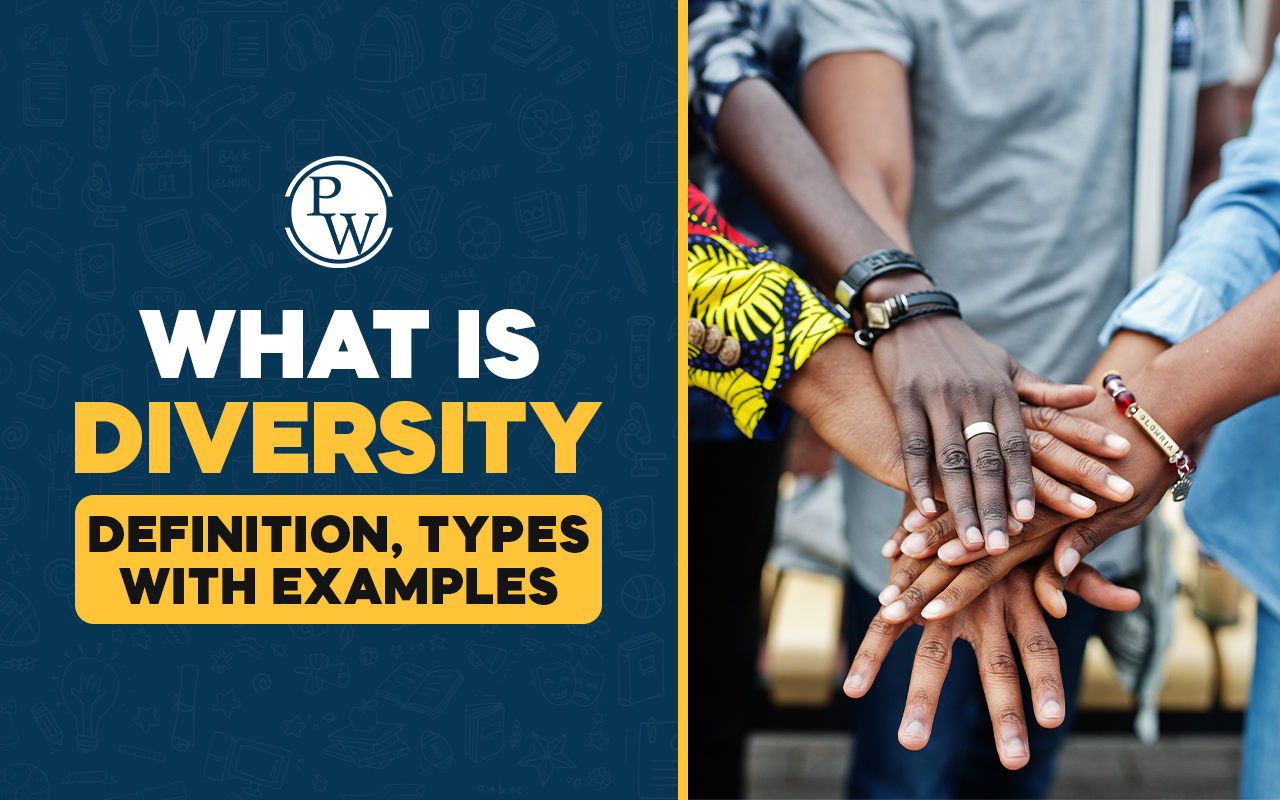
Diversity means having differences among people and communities. People may differ in their language, religion, culture, traditions, abilities, gender, age, or social background.
For example, people in India speak different languages, celebrate different festivals, follow different religions, and have different food and clothing traditions. These differences are part of the country's social and cultural diversity.
Understanding diversity helps us recognise differences, respect other people, and live together in a society where people have different backgrounds and experiences.
Diversity Meaning
The meaning of diversity is the state of having a variety of differences within a group, community, or society.
In simple words, diversity means that people are not all the same. They may have different identities, cultures, beliefs, languages, abilities, or ways of life.
Diversity Meaning in English
In English, diversity refers to the variety or differences found among people, groups, or things.
Simple meaning: Diversity = variety and differences.
Diversity Definition
A simple definition of diversity is:
Diversity is the presence of different identities, backgrounds, cultures, beliefs, abilities, and experiences among people in a group or society.
For students, diversity can be understood through everyday examples such as classmates speaking different languages, following different traditions, having different abilities, or coming from different family backgrounds.
Read More: Social Issue
What Is Diversity With Example?
One simple example of diversity is a classroom where students speak different languages, follow different religions, and come from different cultural backgrounds.
Other examples include:
-
People celebrating different festivals.
-
People speaking different languages.
-
People eating different types of food.
-
People having different cultural traditions.
-
People having different abilities.
-
People belonging to different age groups or social backgrounds.
These differences can exist together within the same school, community, or society.
Types of Diversity
There are different ways to understand types of diversity. Common forms include cultural, linguistic, religious, gender, age, ability, and socio-economic diversity.
1. Cultural Diversity
Cultural diversity refers to differences in customs, traditions, festivals, art, music, food, and ways of life.
For example, different communities in India have their own traditional celebrations, music, dances, foods, and customs.
2. Linguistic Diversity
Linguistic diversity means the presence of different languages and forms of communication.
India is linguistically diverse, with people speaking languages such as Hindi, Bengali, Tamil, Telugu, Marathi, Kannada, Malayalam, Punjabi, and many others.
3. Religious Diversity
Religious diversity refers to people following different religions or belief systems.
India has communities that follow religions including Hinduism, Islam, Christianity, Sikhism, Buddhism, Jainism, and others.
4. Gender Diversity
Gender diversity recognises that people can have different gender identities and experiences.
Respecting people regardless of gender is an important part of creating an inclusive environment.
5. Diversity in Abilities
People have different physical, sensory, intellectual, and other abilities. Ability diversity recognises these differences and the need for accessible and inclusive spaces.
6. Age Diversity
People from different age groups may have different experiences, perspectives, and needs. A family, school, or community can include children, young adults, adults, and older people.
7. Socio-Economic Diversity
Socio-economic diversity refers to differences in people's social and economic circumstances, including differences in family income, education, occupation, and access to resources.
Examples of Diversity in India
India is a diverse country, and this diversity can be seen in everyday life.
Language
People in different parts of India speak different languages. For example, Hindi, Tamil, Bengali, Marathi, Telugu, Malayalam, Punjabi, and Kannada are among the languages spoken across the country.
Religion
People belonging to different religious communities live across India and follow different religious practices and traditions.
Food
Food traditions vary from region to region. Ingredients, cooking methods, and popular dishes can be different because of local traditions, geography, climate, and available resources.
Clothing
Traditional clothing varies across communities and regions. People may wear different clothes for cultural, religious, seasonal, or practical reasons.
Festivals
Different communities celebrate festivals and special occasions according to their traditions and beliefs. Diwali, Eid, Christmas, Gurpurab, Pongal, Onam, Bihu, and many other celebrations reflect India's cultural diversity.
Occupation
People work in many different occupations, including farming, teaching, business, medicine, engineering, fishing, transport, crafts, and public services.
Arts and Traditions
Different regions and communities have their own forms of music, dance, painting, crafts, stories, and other cultural traditions.
Read More: Components of Environment
Diversity in Indian Society
Diversity in Indian society can be seen in differences in language, religion, culture, food, traditions, occupations, geography, and lifestyles.
People living in different regions may have different customs and experiences while still being part of the same country. This makes understanding and respecting differences important in schools, communities, and society.
Why Is Diversity Important?
Diversity is important because it allows people with different experiences and perspectives to live, learn, and work together.
It can help students:
-
Learn about different cultures and traditions.
-
Respect people with different backgrounds.
-
Understand perspectives that may differ from their own.
-
Develop empathy and cooperation.
-
Build an inclusive school environment.
Diversity does not mean that everyone has to be the same. It means recognising differences while treating people with fairness and respect.
Diversity: Short Answer
What is diversity?
Diversity means the differences that exist among people in a group or society. These differences may relate to language, religion, culture, gender, abilities, age, traditions, or social and economic background.
Example: A classroom where students speak different languages and follow different cultural traditions is an example of diversity.
Diversity Definition for Students
For students, diversity can be explained simply as the presence of different kinds of people in a group or society.
For example, students in one school may come from different regions, speak different languages, celebrate different festivals, have different abilities, and follow different traditions. These differences make the school community diverse.
Diversity and Discrimination
Diversity and discrimination are not the same.
-
Diversity refers to differences among people and communities.
-
Respect for diversity means accepting and treating people fairly despite their differences.
-
Discrimination means treating someone unfairly because of characteristics such as their background, religion, gender, ability, or other identity.
CuriousJr helps students understand this difference and learn why fairness and inclusion are important.
Diversity and Its Types: Quick Revision
|
Type of Diversity |
Meaning |
|
Cultural diversity |
Differences in traditions, customs, food, arts, and ways of life |
|
Linguistic diversity |
Differences in languages and communication |
|
Religious diversity |
Differences in religions and beliefs |
|
Gender diversity |
Differences in gender identities and experiences |
|
Ability diversity |
Differences in people's abilities |
|
Age diversity |
Differences among age groups |
|
Socio-economic diversity |
Differences in social and economic circumstances |
Diversity FAQs
What is diversity in simple words?
What is the meaning of diversity?
What are the different types of diversity?
What is one example of diversity?
What is the difference between diversity and discrimination?






Get Free Counselling Today
and Clear up all your Doubts
 Live & recorded classes available at easeDashboard for progress trackingLakhs of practice questions