How Online Tuition Helps Children Prepare for School Exams and Olympiads?
 Nikita Aggarwal10 Jun, 2026
Why is Online Tuition for School Exams and Olympiads Becoming Popular?
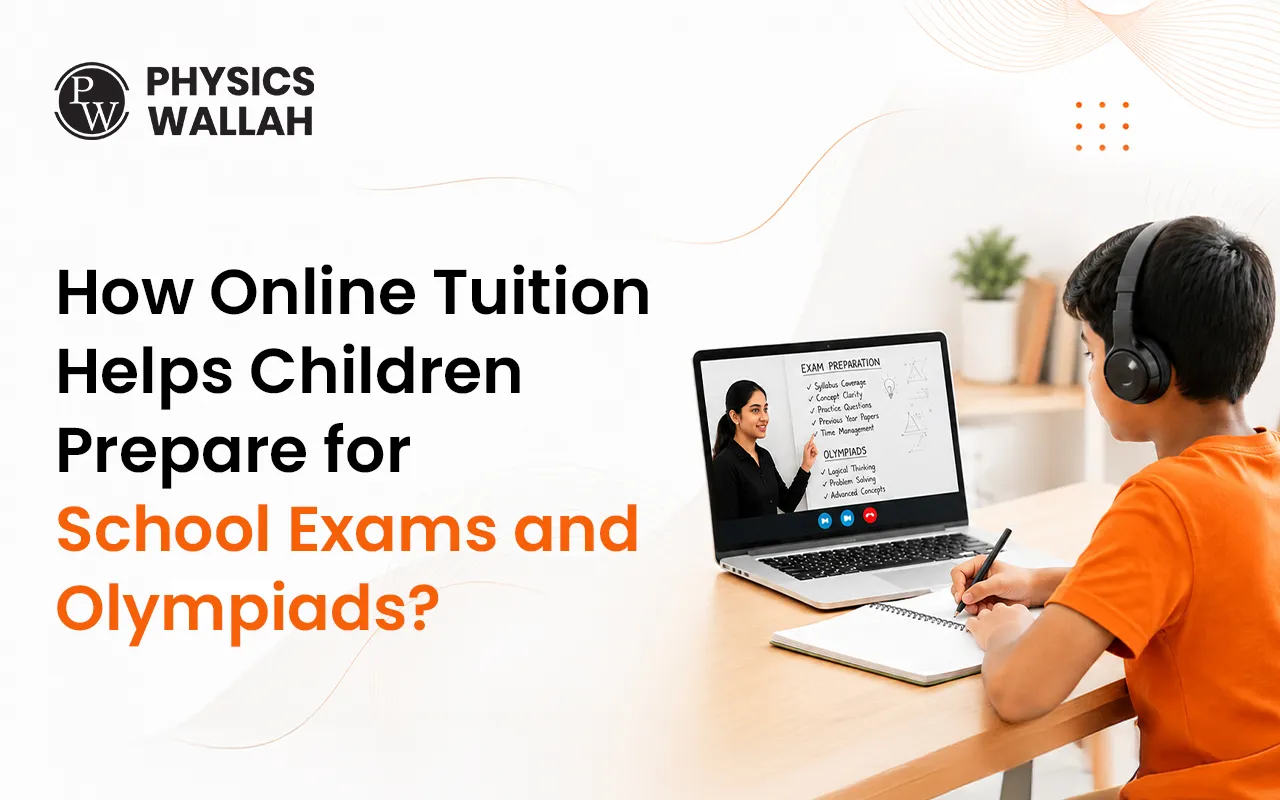
Managing multiple academic goals requires a unique educational strategy. Conventional group tuition often replicates the speed of regular school classrooms, which fails to bridge learning gaps. Modern virtual frameworks solve this dilemma by introducing tailored tools that balance foundational learning with advanced analytical skills.
-
Dual-Teacher Advantage: Virtual frameworks frequently utilize a dual-teacher system. While one primary educator delivers the core lesson, a second mentor remains dedicated to clearing doubts immediately, ensuring no child falls behind.
-
Targeted Learning Frameworks: Unlike generic after-school centers, structured virtual modules provide clear division between regular textbooks and lateral thinking exercises needed for advanced examinations.
-
No Commuting Fatigue: Students can save hours spent traveling to physical coaching institutes, leaving them with more energy to dedicate to both school exam preparation and advanced reference materials.
-
Adaptive Assessment Tools: Automated systems provide immediate diagnostic results that pinpoint particular areas of weakness, indicating whether a kid suffers with fundamental rules or with their application.
How Online Tuition for School Exams and Olympiads Improves School Performance
School performance remains the yardstick for all academic progress. If the basic conceptions of a youngster are poor, then it is impossible to master the higher level competitive problems. Digital learning systems do this by splitting the regular curriculum into manageable, highly interactive segments.
Maths Online Classes
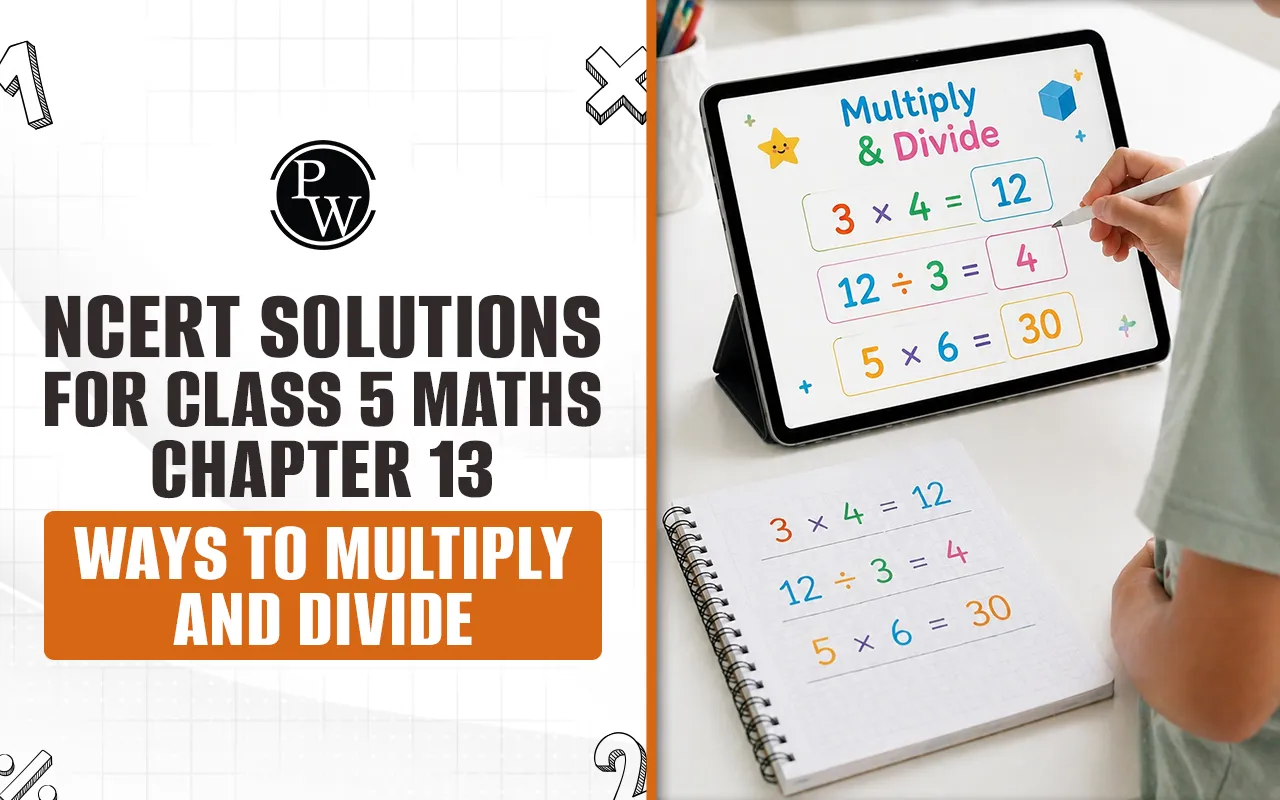
Mathematics often becomes a source of anxiety when steps are taught mechanically. Virtual sessions change this experience by introducing visual models and everyday examples.
-
Younger learners practice place values, basic operations, fractions, and measurements using interactive animations.
-
Higher grades smoothly transition into complex geometry, algebra, and data handling through step-by-step problem-solving.
-
Regular practice worksheets build mental speed and accuracy, ensuring students complete their school exam papers well within the time limit.
Science Online Classes
Science requires observation and analytical thinking rather than passive reading. Virtual lessons bring the human body, plant ecosystems, and chemical properties directly to the screen.
-
Lessons connect abstract laws of physics and biology to the surrounding world, making information memorable.
-
Students learn to structure subjective answers, label biological systems accurately, and state scientific reasons clearly to score top marks in school term exams.
Social Science and English Tuition
Language and humanities require strong expression and comprehension skills.
-
Social science modules use visual stories and open discussions to make history, civics, and geography meaningful.
-
English classes focus heavily on grammar, sentence structures, vocabulary building, and unseen reading passages to build writing confidence.
Read More - What to Look for When Booking a Demo Online Tuition for Your School-Going Child?
How Online Tuition for School Exams and Olympiads Supports Olympiad Preparation
Olympiads are far more than copying textbook lines, they need high level logical reasoning and thorough application of concepts. These advanced dimensions are seldom covered in standard educational settings due to time restrictions.
Virtual classrooms step in to bridge this gap by offering dedicated olympiad preparation online classes. These specialised tracks alter the way young minds process challenging questions.
Developing Advanced Analytical Thinking
Competitive tests focus on analytical patterns where options look incredibly similar. Virtual mentors guide students to deconstruct complex multi-step problems, a key requirement for online tuition for maths olympiad. Instead of rushing to guess, children learn to identify structural patterns, eliminate incorrect options logically, and apply shortcut methods safely.
Accessing Specialized Science Modules
Winning an external science medal requires an in-depth understanding of environmental science, chemical reactions, and physical forces. Enrolling in focused science olympiad classes for kids exposes students to higher-order thinking skills (HOTS). These interactive sessions teach young minds to apply standard classroom laws to unfamiliar, practical scenarios, ensuring they remain calm during competitive tests.
Age-Appropriate Preparation Strategies
The preparation roadmap changes as a child grows. The strategy used for a primary student will not work for a middle schooler.
-
For Lower Grades (Classes 3 to 5): The focus remains on building spatial visualization, logical reasoning puzzles, and mental arithmetic without inducing stress.
-
For Middle Grades (Classes 6 to 9): The curriculum shifts toward time-bound mock tests, previous years' question banks, and deep structural concept breakdowns to build exam stamina.
Read More - How Online School Tuition Helps Kids Catch Up Without Feeling Left Behind
How Online Tuition for School Exams and Olympiads Reduces Exam Stress
Homework that is not finished stresses out both kids and parents. If youngsters have too many tasks, they become bored with the subject altogether.
That’s not a problem with digital platforms, where homework help is a part of the regular learning process. Students are provided with real-time support during and after live sessions so they can learn to perform school work independently and correctly.
Regular review timetables and bespoke worksheets also ensure that exam preparation is a regular and stress-free procedure. Students come to examinations with real confidence, not cramming the night before an exam, but with a strong understanding of concepts and hours of organised practice.
Why Choose CuriousJr for Online Tuition for School Exams and Olympiads?
When looking for a platform that balances school curricula with competitive readiness, CuriousJr kids online tuition provides a comprehensive, highly structured ecosystem. Tailored specifically for young, growing minds, this platform makes learning both interactive and deeply effective.
Key Highlights of the CuriousJr Ecosystem
-
Dual Teacher Mentorship: Every online class features two dedicated educators. The primary teacher explains core academic concepts smoothly, while the mentor teacher manages doubt resolution, provides 24/7 assistance, and offers homework support outside class hours.
-
Comprehensive Age Coverage: Offering curated online classes for competitive exams class 3 to 9, the platform ensures a smooth learning path as your child moves from primary to middle school.
-
CuriousJr Olympiad Prep Class 3: Starting early is key to building a strong academic foundation. The dedicated CuriousJr olympiad prep program introduces young learners to logical reasoning, mental maths, and scientific observation through enjoyable, gamified milestones.
-
Interactive Gamified Environment: Students stay highly motivated by earning badges and visual rewards as they complete worksheets, interactive quizzes, and live learning tasks.
-
Consistent Progress Tracking: Parents receive descriptive performance insights and live updates regarding class participation, worksheet completion, and concept retention.





How Online Tuition Helps Children Prepare for School Exams and Olympiads? FAQs
How does online tuition for school exams and olympiads help a child manage both formats simultaneously?
Can a student in primary school benefit from competitive exam preparation?
How are doubts cleared in an online tuition for maths olympiad session?
Are there specific tracks available for science competitions?

Get Free Counselling Today
and Clear up all your Doubts
 Live & recorded classes available at easeDashboard for progress trackingLakhs of practice questions