
Why Some Children Know Maths but Calculate Slowly

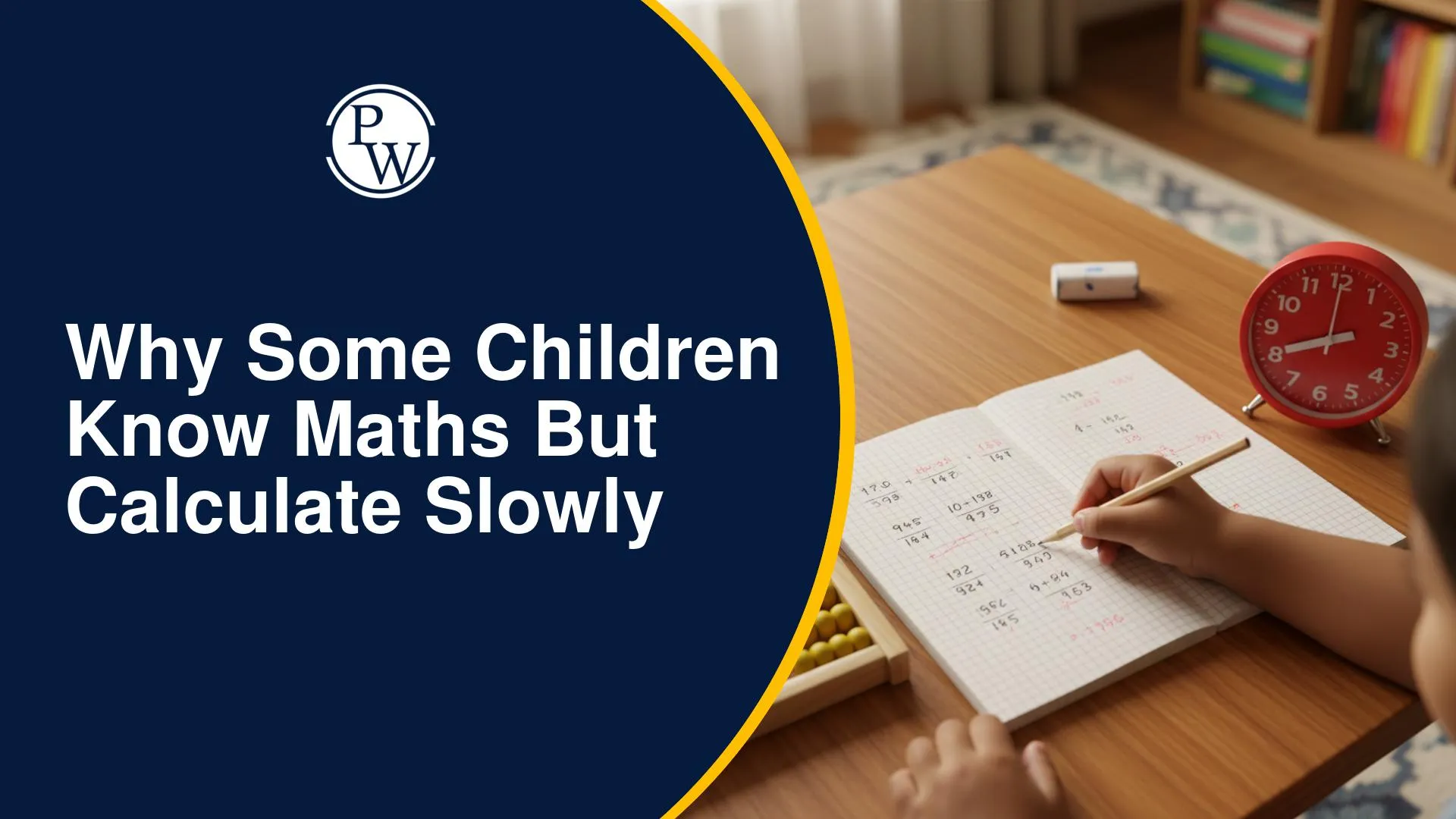
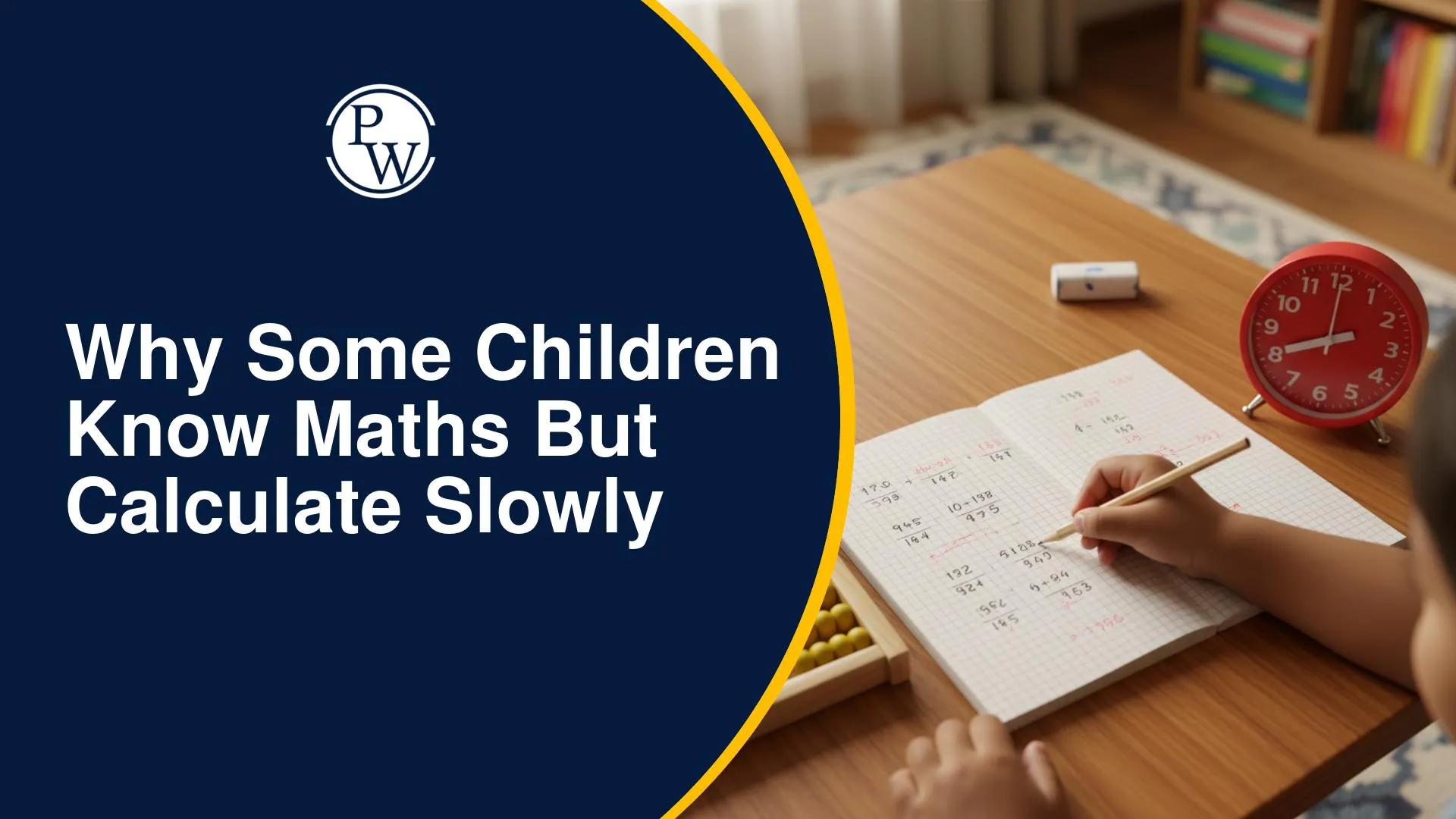
Many students understand Maths concepts but still take longer to complete calculations. They may know which formula or method to use but hesitate while adding, multiplying, simplifying, or working with numbers. This happens because conceptual understanding and calculation speed are different skills, and calculation comfort develops through regular practice.
Mental Maths practice can help students build calculation speed alongside their school Maths learning. CuriousJr's Mental Maths programme combines school Maths with fast calculation techniques, giving students regular opportunities to practise through daily live classes, practice material, quizzes, and performance reviews. This structured approach can help students become more comfortable with numbers and improve their calculation confidence.
The Difference Between Understanding a Math Concept and Calculating Quickly
Understanding a Maths concept and calculating quickly are two different skills, and a student can be strong in one while still developing the other.
|
Understanding a Maths Concept |
Calculating Quickly |
|
Means understanding the logic behind a problem. |
Means working comfortably with numbers once the method is known. |
|
Involves recognising which formula or method applies. |
Involves adding, multiplying, simplifying, or estimating efficiently. |
|
Requires understanding why a method works and setting up the steps correctly. |
Requires calculation fluency and confidence with number work. |
|
A student may understand how to solve a linear equation but still take time to perform the calculations. |
A student may know exactly what to do but slow down while carrying out the numerical steps. |
|
Primarily reflects conceptual understanding. |
Primarily reflects calculation comfort and practice. |
|
Can be developed through learning concepts, reasoning, and solving different types of problems. |
Can be improved through regular practice and repeated exposure to calculations. |
Why Calculation Speed Often Needs Its Own Practice
Calculation speed is a skill that develops gradually through repeated practice. Understanding a concept is important, but students also need opportunities to practise the calculations involved until they become more comfortable and efficient.
-
Textbook exercises are primarily designed to reinforce concepts and help students understand a topic.
-
A student may complete many chapter exercises and understand the concepts well without getting enough repetition in the underlying calculations.
-
Calculation speed develops through regular repetition and practice.
-
Repeated number work can improve comfort with:
-
Basic operations
-
Number relationships
-
Simplification
-
Working with numbers in different forms
-
Relying only on textbook exercises may not provide enough opportunities for focused calculation practice, as the main goal is usually completing the syllabus and applying concepts.
How Regular Practice Can Support Calculation Development
Regular, focused practice can give students additional opportunities to work with numbers outside their regular textbook exercises. Even a small amount of consistent practice can gradually build calculation comfort.
-
Mental Maths practice can help students work on calculation speed separately from concept learning.
-
Spending a little time regularly on number-based practice can help students become more comfortable with calculations.
-
Consistent practice can help students develop greater speed, accuracy and confidence with number work.
-
Regular calculation practice is useful throughout the year, rather than only during exam preparation.
-
This practice does not replace school Maths learning; instead, it works alongside conceptual learning.
-
It gives students more opportunities to apply concepts they already understand in a quicker and more confident way.
How CuriousJr’s Mental Maths Programme Builds Calculation Speed
CuriousJr's Mental Maths programme is designed around students who are comfortable with school Maths concepts but need more structured practice to calculate quickly. The programme combines school Maths with fast calculation techniques, so students continue reinforcing what they learn in class while also getting dedicated time to work on calculation comfort.
Rather than treating calculation speed as something that improves on its own, the programme builds regular, structured practice into the learning journey, so students have consistent opportunities to work on this skill over time.
-
Daily Live and Recorded Classes for Continued Practice
One part of how CuriousJr supports this is through daily live classes, with recordings made available for revision. This structure allows students to keep practising regularly, rather than only engaging with calculation work occasionally. If a student needs to revisit a technique or class, the recorded sessions give them the flexibility to go back and reinforce their learning at their own pace.
-
The Role of Practice Material, Quizzes, and Performance Reviews
Alongside classes, students are given practice material to work through, along with quizzes that let them apply what they have learnt. Performance reviews and Parent-Teacher Meetings (PTMs) help track how a student is progressing over time, giving both students and parents a clearer picture of where more practice may help.
These elements work together to give students repeated, structured opportunities to engage with calculations, rather than leaving calculation practice to chance.
-
Olympiad Preparation as a Way to Apply Calculation Skills
The Mental Maths programme also includes Olympiad preparation, which gives students a chance to apply their Maths and calculation skills in a slightly more challenging, reasoning-based setting. This offers students an additional space to test how comfortably they can work through problems, beyond regular classroom exercises.
-
Building Consistent Maths Practice Alongside School Learning
For a student who understands concepts well but calculates slowly, the most useful support often comes from consistent, structured practice rather than any single fix. Working on calculations regularly, through daily classes, practice material, quizzes, and periodic review, gives students repeated exposure to number work, which can gradually help them feel more comfortable while calculating.
Maths learning for Class 8 students works best when it includes both parts: understanding the concept and practising the calculation. CuriousJr's Mental Maths programme is built to support both, helping students strengthen their mental maths skills, their maths calculation skills, and their overall confidence with numbers through consistent, guided practice.
FAQs
Why do some Class 8 students understand Maths but still calculate slowly?
Does slow calculation mean a student is weak in Maths?
How can mental maths for kids help with slow calculation in maths?








Get Free Counselling Today
and Clear up all your Doubts
 Live & recorded classes available at easeDashboard for progress trackingLakhs of practice questions

