Why Kids Can’t Speak English Fluently (Level Movers)
 Nivedita Dar11 May, 2026

Every parent wants their child to communicate with ease, yet many notice a common trend: children can read and write English perfectly but freeze when it is time to speak. This gap between understanding and speaking is a major hurdle for young learners. The primary reason why kids can’t speak english often isn’t a lack of knowledge, but a lack of vocal confidence. If your child can follow a cartoon in English or pass a school test but struggles to order food or greet a friend in English, they are likely stuck in the "passive learning" phase. Understanding the psychological and practical barriers is the first step toward helping them achieve true fluency.
Why Kids Understand English but Struggle to Speak
It is a common frustration for "Movers" level students. They have the vocabulary, they know the verbs, yet the words don't come out. This happens because the brain uses different pathways for listening and speaking. Listening is a passive skill; speaking is an active, motor skill that requires physical practice.
Mental Translation Slows Down English Speaking
Many children try to translate sentences from their native language into English before speaking. This creates a massive delay in conversation. By the time they have formed the perfect sentence in their head, the moment has passed. This is one of the leading English speaking problems children face today. To reach fluency, a child needs to learn to think directly in English, connecting objects and actions to English words without an intermediate step.
Why Kids Can’t Speak English Fluently
Understanding the root cause helps in applying the right solution. Here are the most frequent reasons why the words just won't flow.
Fear of Mistakes and Judgement
Children are often perfectionists. They are taught in school that mistakes lead to lower marks. When this mindset is applied to speaking, they become terrified of using the wrong tense or mispronouncing a word. This "affective filter" acts as a mental block, stopping them from even trying.
Lack of an English Speaking Environment
If a child only hears English during a 40-minute school lesson, their brain doesn't see the language as a survival tool. Language is learned best when it is necessary for daily life. Without a consistent environment to practice, fluency issues kids experience will persist regardless of how many books they read.
Too Much Focus on Grammar Rules
Traditional education often prioritises "knowing about" the language rather than "using" the language. If a child is constantly worried about whether they should use "past simple" or "present perfect," they lose the rhythm of the conversation.
-
Grammar focus: Leads to slow, robotic speech.
-
Communication focus: Leads to flow, even if small errors occur.
Read More - Why Kids Can’t Speak English Fluently (Level Key)
Spoken English Tips for Children
To move from a "Movers" level to a confident speaker, the approach must change from academic to experimental. Here is how you can support your child’s journey.
Create a Comfortable Speaking Environment
The best method to fight the fear of mistakes is to make English entertaining! Use games, roleplay, or “English dinner hours” where the aim is not to be perfect, but just to be understood. The brain is able to relax when the strain is off and the words come more readily.
Teach Phrases Instead of Single Words
Teach “chunks” of language rather than single words. Instead of teaching the word "hungry," teach the phrase "I'm feeling a bit hungry." This lowers the mental effort because the youngster doesn't have to create the sentence from scratch, but just retrieves the full block from memory.
Use the Shadowing Technique
Have your child listen to a short English clip and repeat it immediately after the speaker. This helps with:
-
Intonation: Learning the "music" of the language.
-
Pronunciation: Getting the mouth muscles used to English sounds.
-
Confidence: Mimicking a fluent speaker builds a sense of achievement.
Read More - Daily 5 Sentence Practice for English Fluency (Level Key)
Passive Learning vs Active English Speaking
Understanding the difference between passive learning and active speaking helps parents identify why children may know English well but still struggle to speak fluently in real-life conversations.
|
Feature |
Passive Learning (Reading/Writing) |
Active Fluency (Speaking) |
|
Brain Activity |
Recognising patterns |
Producing sounds and rhythm |
|
Speed |
Slow and reflective |
Real-time and spontaneous |
|
Error Margin |
High (errors are corrected) |
Flexible (meaning is priority) |
|
Key Skill |
Vocabulary retention |
Muscle memory and confidence |
Helping Kids Speak English Confidently
As kids grow, their social needs change. They want to fit in, express their feelings, and share their ideas. If they feel limited by their English, they might withdraw. This is why addressing why kids can’t speak english early on is vital.
Encourage them to watch content they actually enjoy—vlogs, gaming streams, or science experiments in English. When they are interested in the content, they forget they are learning a language. This shift from "learning to speak" to "speaking to learn" is where the magic happens.
How CuriousJr Helps Kids Speak English Fluently?
Learning English speaking skills needs a planned but fun learning process. This is when CuriousJr really comes into its own. By going beyond the dull drills to focus on interactive age-appropriate activities, these online English learning classes help kids overcome common english speaking challenges they have in regular classrooms.
CuriousJr follows a Cambridge-aligned Movers curriculum specially designed for children aged 8–10. The program helps students improve speaking, reading, writing, listening, grammar, vocabulary, and pronunciation step by step. Through fun and interactive live sessions, children learn to use English naturally in both classroom and real-life situations.
The platform allows kids to learn how to:
-
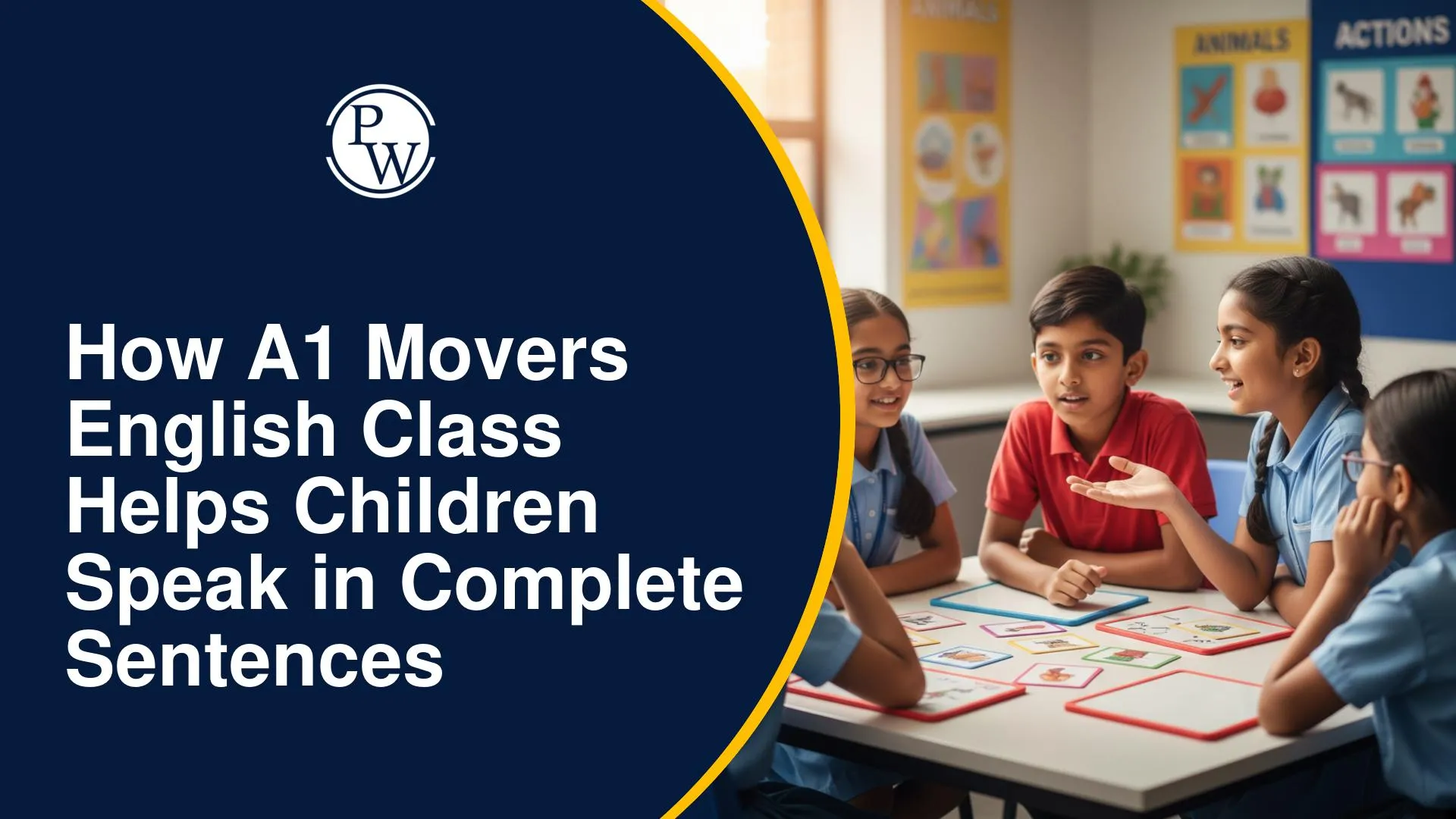
Teacher asks students to answer in whole sentences.
-
Enhance your speaking, pronunciation, vocabulary and grammar.
-
Do story-telling, role-plays, paired conversations and question-answer activities.
-
Build confidence through interactive speaking and listening exercises.
-
Read short stories, understand simple texts, and retell events in sequence.
-
Learn paragraph writing, sentence formation, and personal note writing step by step.
-
Enjoy live interactive sessions with games, guided conversations, and engaging classroom activities.
-
Receive personalised attention through small batch learning.
-
Develop communication skills useful for both school and everyday life.
-
Learn in a supportive, low-pressure environment that encourages participation without fear.
-
Access flexible online learning from home while parents stay updated on progress.
This consistent and positive exposure helps children move from passive understanding to confident communication, turning shy learners into expressive English speakers.