Speech on Kindness: Short & 2-Minute Speeches
 Nivedita Dar22 Oct, 2026

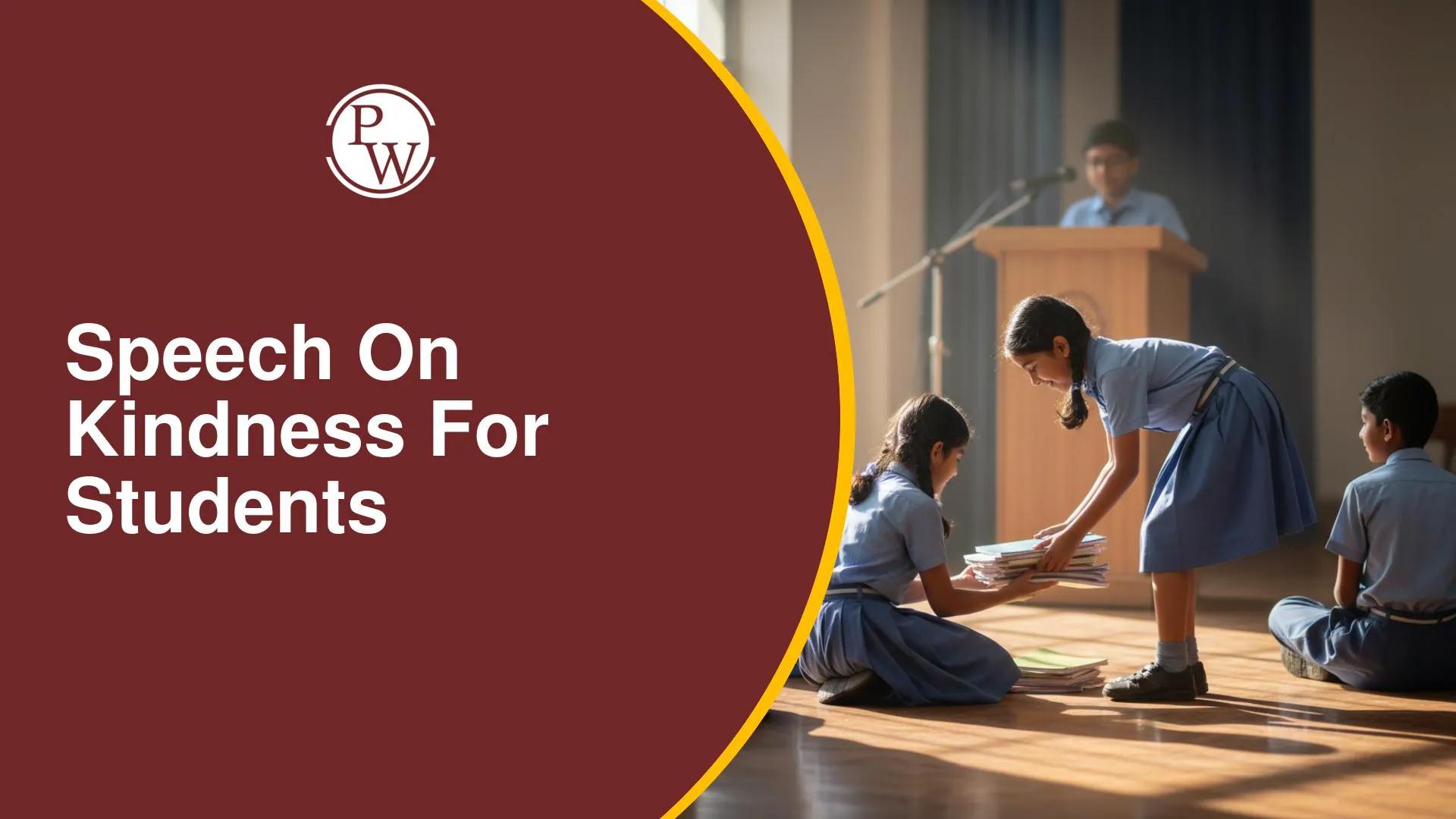
A speech on kindness explains why caring, respectful, and helpful behaviour matters in everyday life. Students can show kindness by helping classmates, listening patiently, including others in activities, and using polite words. Even a small action can help someone feel welcome and supported.
If you need a kindness speech in English for a school assembly, classroom activity, or speech competition, choose a sample that matches your time limit and class level. The speeches below include short, 1-minute, 2-minute, and longer examples, along with practical tips for speaking confidently.
Speech on Kindness
Good morning, respected teachers and my dear friends.
Today, I would like to speak about kindness. Kindness means treating others with care, respect, and understanding. It does not always require a big action. Helping a classmate, listening to a friend, or saying a few encouraging words can make a difference.
We can practise kindness at school, at home, and in our neighbourhood. We should respect our teachers, help others when possible, and include people who may feel left out. We should also think before speaking because our words can affect how others feel.
Kindness is not just something we talk about; it is something we practise through our daily actions. Let us choose kind words, offer help when we can, and treat others with respect.
Thank you.
At CuriousJr, students can learn to express their thoughts clearly and confidently through speeches on meaningful topics like kindness, helping them develop better communication and writing skills.
Importance of Kindness Speech
Kindness is important because it helps people feel respected, included, and supported. At school, kind behaviour can make it easier for students to ask questions, work together, and build friendships. A helpful classmate or a thoughtful teacher can make a difficult day feel more manageable.
Kindness also teaches us to consider how our actions affect others. We may not always know what another person is experiencing, so listening without judging and speaking respectfully can matter. Being kind does not mean agreeing with everyone or accepting unfair treatment. It means treating people with dignity while maintaining healthy boundaries.
Students can practise kindness by sharing when appropriate, helping someone understand a lesson, thanking others, and standing up safely when someone is being treated unfairly. These everyday choices can contribute to a more welcoming school environment.
Small Acts of Kindness
|
Act of kindness |
Why it matters |
|
Greeting a teacher politely |
Shows respect |
|
Helping a classmate |
Encourages cooperation |
|
Saying “please” and “thank you” |
Shows good manners and appreciation |
|
Listening when someone speaks |
Helps them feel heard |
|
Inviting someone to join a game |
Encourages inclusion |
|
Offering a sincere compliment |
Can help someone feel appreciated |
|
Apologising after a mistake |
Shows responsibility |
|
Keeping shared spaces clean |
Shows consideration for others |
CuriousJr English learning classes help students improve their English speaking skills and express their thoughts confidently through speeches on meaningful topics like kindness.
2-Minute Speech on Kindness
Good morning, respected teachers and my dear friends.
Today, I am here to speak about the importance of kindness. Kindness means caring for others, respecting their feelings, and helping whenever we can. It is not measured by how much we give or how big an action we take. Sometimes, a smile, a kind word, or a little help is enough to make someone feel supported.
We can show kindness in many ways at school. We can help a classmate who finds a lesson difficult, listen to a friend who wants to share something, thank our teachers, and include everyone in games and group activities. We should also avoid making fun of others or using words that may hurt their feelings.
Kindness is important because every person deserves respect. We may not know what someone else is going through, so it is better to be thoughtful rather than quick to judge. When we treat others kindly, we help create an environment where people feel more comfortable and welcome.
Let us remember that kindness begins with our own choices. We do not have to wait for a special day to practise it. Let us be helpful, patient, and respectful every day.
Thank you, and have a wonderful day.
Short Speech on Kindness
Good morning, everyone.
Today, I would like to speak about kindness. Kindness means caring for others and treating them with respect. We can show kindness by helping our classmates, sharing when appropriate, listening patiently, and using polite words.
A kind action does not have to be big or expensive. Even a small gesture can help someone feel included and appreciated. We should be kind to our friends, family, teachers, and everyone around us.
Let us remember that kindness begins with us. Let us choose kind words and helpful actions every day.
Thank you.
Power of Kindness Speech
Good morning, respected teachers and my dear friends.
Today, I want to talk about the power of kindness. Kindness may seem like a small thing, but it can influence how people feel and how they treat one another. A thoughtful word can encourage someone who is having a difficult day, and helping a classmate can remind them that they are not alone.
The power of kindness can be seen in everyday school life. When we listen to one another, share responsibilities, and include others in activities, we build trust and cooperation. Kindness can also help us handle disagreements respectfully. We may not always share the same opinions, but we can still speak politely and try to understand each other.
We should remember that kindness is not limited to our friends. We can show it to new classmates, school staff, family members, neighbours, and people who need help. We should also treat ourselves with patience when we make mistakes and learn from them.
Let us make kindness a habit, not just a topic for a speech. A caring word or helpful action may seem small, but it is a meaningful way to make our surroundings more welcoming.
Thank you.
Also Read, Farewell speech examples for colleagues, coworkers, and office teammates. Get simple tips and sample speeches to express gratitude, share memories, appreciate contributions, and wish someone success in their future journey.
3-Minute Speech on the Power of Kindness
Good morning, respected teachers and my dear friends.
Today, I would like to speak about the power of kindness. We often think that making a difference requires a big achievement or a special opportunity. However, kindness shows us that everyday actions can also matter. A smile, a patient conversation, or a helping hand can make someone feel noticed and respected.
Kindness begins with the way we treat people. At school, we can help classmates who are struggling with a lesson, listen when a friend wants to talk, and invite someone who is alone to join a group activity. At home, we can help our family members with small tasks, speak politely, and show appreciation for what they do. These actions may look simple, but they help us practise care and responsibility.
Kindness is also important when we disagree with someone. We do not have to share the same opinion to treat another person respectfully. We can listen before responding, avoid hurtful comments, and explain our point of view calmly. If we make a mistake, we can apologise and try to do better.
Another important part of kindness is inclusion. Everyone deserves to feel safe and welcome. We should not make fun of someone's appearance, abilities, background, or mistakes. If we see someone being treated unfairly, we can offer support and seek help from a trusted adult when necessary.
Kindness does not mean saying yes to everything. We can be kind while setting boundaries and asking others to treat us respectfully, too. True kindness includes understanding, fairness, and thoughtful choices.
Let us remember that we can practise kindness every day. We can begin with one helpful action, one respectful conversation, or one sincere thank-you. If each of us makes an effort, we can help create a more caring school and community.
Thank you.
Speech on Kindness for Class 1
Good morning, everyone.
Today, I want to talk about kindness. Kindness means being helpful and caring. We can be kind by sharing, helping our friends, and using polite words like “please,” “sorry,” and “thank you.”
We should listen to our teachers, care for our family, and be gentle with animals. If someone is alone, we can invite them to play with us. If a friend needs help, we can try to help.
Let us do one kind thing every day and make others smile.
Thank you.
Also Read, Annual day speech samples for students in English, with easy tips and examples to welcome guests, thank teachers, celebrate achievements, and make school functions memorable.
Speech on Kindness for Class 3
Good morning, respected teachers and my dear friends.
Today, I am going to speak about kindness. Kindness means caring about others and treating them with respect. We can show kindness by helping a friend, sharing our things when appropriate, or inviting someone to join a game.
We should also try to understand how other people feel. If a classmate is sad or finds a lesson difficult, we can listen and offer help. We should avoid teasing others because unkind words can hurt their feelings.
Everyone can practise kindness, no matter their age. Small actions can help make our classroom friendly and welcoming. Let us use kind words, help others when we can, and treat people the way we would like to be treated.
Thank you.
Speech on Kindness for Class 6
Good morning, respected teachers and dear friends.
Today, I would like to speak about the importance of kindness in our lives. Kindness means more than being polite. It involves understanding others, respecting their feelings, and offering help when we can.
At school, we can practise kindness by helping classmates, including someone who is sitting alone, listening without interrupting, and respecting different opinions. We should never make fun of someone for asking a question or making a mistake. Everyone learns at a different pace, and encouragement can help students feel more comfortable.
Kindness is also important when we disagree. We can explain our views calmly without insulting others. If we see someone being bullied or treated unfairly, we should seek help from a trusted adult instead of ignoring the situation.
Let us make kindness part of our everyday behaviour. We can begin by thinking before we speak, listening carefully, and helping whenever it is appropriate.
Thank you.
1-Minute Speech on Kindness
Good morning, everyone.
Today, I would like to speak about kindness. Kindness means treating others with care, respect, and understanding. We can show kindness by helping a friend, listening to someone, sharing when appropriate, or using polite words.
Small acts of kindness can help people feel valued and included. We should be kind not only to our friends but also to our teachers, family members, school staff, and everyone around us.
Kindness does not require money or a special occasion. It begins with the choices we make every day. Let us choose to be helpful, patient, and respectful.
Thank you.
Speech on Kindness for School Assembly
Good morning, respected principal, teachers, and my dear friends.
Today, I would like to share a simple message about kindness. School is a place where we learn not only from books but also from the way we treat one another.
We can practise kindness by helping classmates, respecting teachers, listening carefully, and including others in activities. We should avoid hurtful words and remember that everyone deserves to be treated fairly. Even when we disagree with someone, we can express our views respectfully.
Kindness also means taking responsibility for our actions. If we hurt someone's feelings, we should apologise and try to make things right. If someone needs help, we can offer support or ask a trusted adult for assistance.
Let us make a promise today: think before we speak, help when we can, and treat others with respect. A kind school begins with the everyday choices we make.
Thank you, and have a wonderful day.
Tips for Delivering a Speech on Kindness
A clear and natural delivery helps the audience understand your message. You do not need to memorise every word perfectly; focus on understanding the main points and speaking confidently.
-
Start with a suitable greeting for your audience.
-
Explain kindness in simple words.
-
Include one or two examples from school or everyday life.
-
Speak slowly and pronounce each word clearly.
-
Look at the audience instead of reading every sentence.
-
Pause briefly after an important point.
-
Practise aloud and check that your speech fits the time limit.
-
End with a clear message encouraging everyone to practise kindness.
Also Read, Vote of thanks speech examples for events and functions, with simple tips to express gratitude to guests, organisers, teachers, and participants at school programmes and formal gatherings.
How to Write a Speech on Kindness
A speech on kindness can follow three simple parts:
Introduction: Greet the audience and explain what kindness means.
Main points: Explain why kindness matters and give examples, such as helping a classmate, listening patiently, or including someone in an activity.
Conclusion: Summarise your message and encourage the audience to practise kindness in daily life.
Before writing, consider the class level and time limit. A one-minute speech needs only a few clear points, while a longer speech can include examples of kindness at school, at home, and in the community. Use words you understand and practise reading the speech aloud before presenting it.
Speech on Kindness for Students: More Samples
Speech on Kindness Sample 1: Kindness Begins with Me
Good morning, everyone.
Today, I want to share a message about kindness. We sometimes wait for other people to be kind first, but kindness can begin with us. We can greet others politely, offer help when someone needs it, and listen when a friend wants to speak.
We cannot control every situation, but we can choose our words and actions. If we make a mistake, we can apologise. If someone is left out, we can invite them to join us.
Let us remember that kindness begins with the choices we make every day. Let us try to do one kind thing today.
Thank you.
Speech on Kindness Sample 2: Kindness Matters
Respected teachers and my dear friends,
Kindness matters because every person deserves respect. We may have different interests, opinions, and abilities, but we can still treat one another fairly. At school, we can show kindness by helping classmates, sharing responsibilities, and encouraging others when they find something difficult.
Kindness also means thinking about the effect of our words. A joke may not feel funny to the person hearing it, so we should avoid comments that hurt others. We can make our classroom more welcoming by listening, cooperating, and offering help when appropriate.
Let us practise kindness in small ways, every day.
Thank you.
Speech on Kindness Sample 3: Kindness Can Make a Difference
Good morning, respected teachers and dear friends.
Today, I am here to talk about how kindness can make a difference. A helpful action may seem small, but it can show someone that they are not alone. We can help a new student find a classroom, listen to a friend who is upset, or thank someone who has helped us.
Kindness also encourages cooperation. When we respect one another and work together, it becomes easier to learn and solve problems as a team. We should remember that kindness is not only for special occasions; it belongs in our everyday behaviour.
Let us choose thoughtful words and helpful actions, and encourage others through our example.
Thank you.