Public Speaking Skills, Tips and Importance for Improving Your Skills
 Nikita Aggarwal18 Sept, 2025
Public Speaking Skills
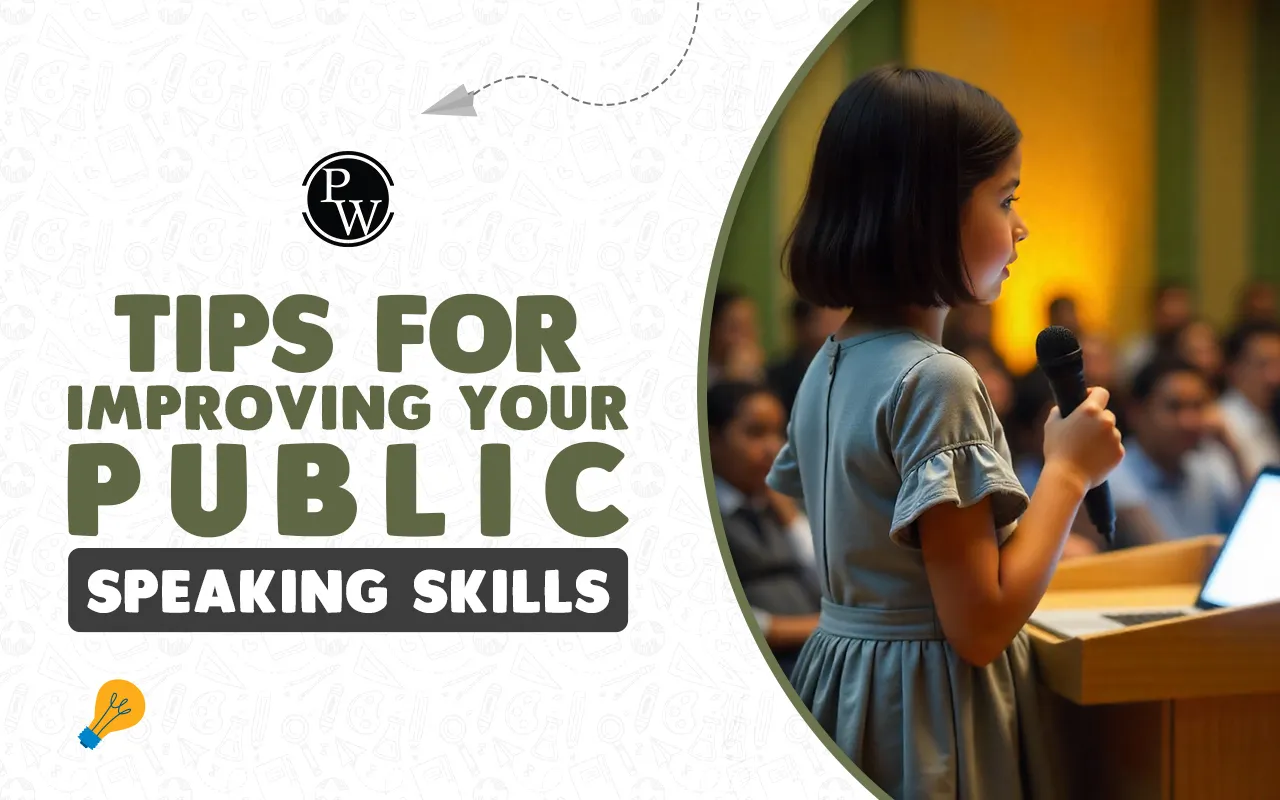
Public speaking is when a person gives a talk, speech, or presentation in front of other people. The topic can be about many different things, and the purpose may be to teach, share ideas, or inspire the audience. Sometimes speakers also use visual aids, such as slides or charts, to make the talk easier to understand.
Public speaking skills are the abilities that help someone speak in front of a group with confidence. These include using the right voice, making eye contact, using gestures, and organizing the speech in a simple way that people can follow.
Read More: Future-Ready Kids: The Skills They Need That Aren't Taught in School.
Why Improving Public Speaking Skills Important for Students?
Here are several reasons why improving speaking skills important for students:
Helps students explain ideas in front of others: Students are often asked to share their thoughts during class discussions, group work, or presentations. As their speaking skills improve, they are better able to organize their ideas and say what they mean clearly. This helps teachers and classmates follow their thinking and makes it easier for them to take part in conversations.
Makes class participation easier: Speaking in class can feel uncomfortable at first. But with practice, it becomes less stressful. Students who are used to speaking often feel more prepared to take part in discussions, share answers, or ask questions.
Builds confidence over time: Each time a student speaks in front of others, confidence grows. Over time, this confidence also helps in other situations, such as meeting new people, speaking in front of a group, or doing well in interviews.
Improves preparation and thinking: Public speaking requires planning. A student needs to think about what to say, how to say it, and in what order. This helps with thinking clearly and staying focused, which is also useful in writing essays or working on school projects.
Useful in real life: Speaking clearly is an important skill in many future situations. Whether it's a college interview, a job meeting, or a group presentation later in life, those who speak well are often more prepared and more confident.
Encourages listening and respect: Public speaking teaches more than just talking. It also shows how to listen when others are speaking. Students learn to wait for their turn, stay focused, and respond in a respectful way. These are useful habits both in school and in everyday life.
Supports leadership in group settings: In many group activities, the person who communicates well often becomes the one others look to for direction. Public speaking gives students the tools to speak up and help guide a group or lead a discussion.
These reasons show that public speaking skills are not only helpful during a single event or one class. They are part of many moments in school and will continue to be useful later in life. With practice and support, any student can improve speaking skills and benefit from them both inside and outside the classroom.
Read More: Tips to Improve Your Writing Speed
Tips to Improve Public Speaking Skills in Children
The public speaking tips below will help parents guide their child in speaking more clearly and effectively in front of others.
Encourage Regular Practice
Public speaking is just like any other skill, it improves with consistent practice. At home, you can help your child get comfortable speaking out loud by giving them opportunities to talk in everyday situations.
Ask them to explain a school topic, tell you a story from their day, or describe how something works. You can also encourage them to rehearse presentations or speeches in front of you or other family members. Practicing regularly, even for just a few minutes a day, builds familiarity and reduces the fear of speaking in front of others.
Talk About Speech Structure
It is helpful to teach children how to organize their thoughts before speaking. One easy way is to use three parts in a speech:
-
Introduction – say what the speech is about
-
Body – explain the main points
-
Conclusion – give a short ending or final message
This simple structure helps children remember what to say and keeps their speech in order. It also helps the people listening to understand the message more easily.
Watch Body Language
Children often focus so much on what they are saying that they forget how they are saying it. Body language plays a big role in how their message is received. Teach your child to stand straight, make eye contact, and use natural hand gestures to support what they’re saying.
Remind them to avoid habits like fidgeting, crossing arms, or looking down. Practicing body language in front of a mirror or during a recorded practice session can help them build awareness and confidence.
Read More: How to Write a Speech - A Step-by-Step Guide
Avoid Memorizing Everything
While it might seem like a good idea to memorize a speech word-for-word, doing so can create pressure and increase the risk of freezing if they forget something. Instead, encourage your child to understand the topic deeply and speak in their own words.
They can use cue cards or an outline to remember key points. This approach allows for more natural speaking, better engagement with the audience, and less stress if something doesn’t go exactly as planned.
Know the Audience
Understanding the audience is a key part of preparing a good speech. Help your child think about who will be listening whether it’s classmates, teachers, judges, or parents and guide them to adjust their language and examples accordingly.
Speaking to friends may allow for a casual tone, while speaking to adults may require more formality. Knowing the audience also helps your child feel more prepared and connected during the presentation.
Use Simple Stories and Examples
Telling short stories or giving real-life examples can help your child make their points more interesting and easier to understand. Stories help the audience relate to the message, and they give the speaker something personal to talk about.
You can encourage your child to think of a time they experienced something related to their topic and include it in their speech. Storytelling also helps make the speaker feel more relaxed and confident.
Strengthen Listening Skills
Being a good speaker also means being a good listener. Encourage your child to join group discussions not just to talk, but also to listen carefully. Listening helps them understand how others share ideas, makes them more thoughtful speakers, and prepares them to answer questions or respond confidently during presentations and classroom activities.
Record and Review
One of the best ways to help your child improve is to record their practice speeches. Watching the video together allows them to see what they’re doing well and what needs improvement.
You can pause and talk about things like body language, voice volume, and eye contact. Reviewing performances in this way builds self-awareness and shows them how much progress they’re making over time.
Read More: English Speech Topics for Students
Teach Visualization
Visualization is a simple way to help your child feel more confident before speaking. Ask them to close their eyes and imagine standing calmly in front of an audience, speaking clearly, and finishing their talk with confidence. Thinking through this experience in advance can help reduce nervousness and create a sense of readiness when it’s time to speak.
Give Supportive Feedback
After your child finishes a speech or a practice session, begin by pointing out what went well. Then offer one or two gentle suggestions for improvement. Keep your comments encouraging and avoid harsh criticism. This kind of feedback helps build confidence, supports steady progress, and motivates your child to continue improving their speaking skills.
Normalize Nervousness
Finally, remind your child that it’s okay to feel nervous. Everyone, even professional speakers, feels anxiety before speaking sometimes. The key is learning how to manage those feelings and not letting them stop your child from sharing their ideas. The more they speak, the easier it becomes. With your support and patience, they will become more comfortable each time.
Also read: Essay writing topics for School Students in English
Step Up Your Child’s English Speaking Skills with CuriousJr
Many children struggle to speak English confidently, even if they understand the basics. Some hesitate to answer in class, others feel nervous during presentations, and many find it hard to express ideas clearly. These challenges can affect confidence, participation, and school performance. At CuriousJr, our English Online Classes help children become fluent, confident speakers through step-by-step Cambridge-certified classes.
How CuriousJr strengthens your child’s speaking skills:
-
Live interactive classes with two dedicated mentors giving each child personal attention
-
Engaging exercises like storytelling, role plays, and group discussions
-
Regular practice to improve pronunciation and fluency in speaking
-
Guidance on using correct grammar and vocabulary while speaking
-
Progress updates for parents to see how their child is improving in speaking skills
With consistent practice, children become comfortable speaking in class, delivering presentations, and participating in discussions. EBoos a demo class to know more about our classes.