How to Write an Introduction with Examples
 Shivam Singh17 Nov, 2025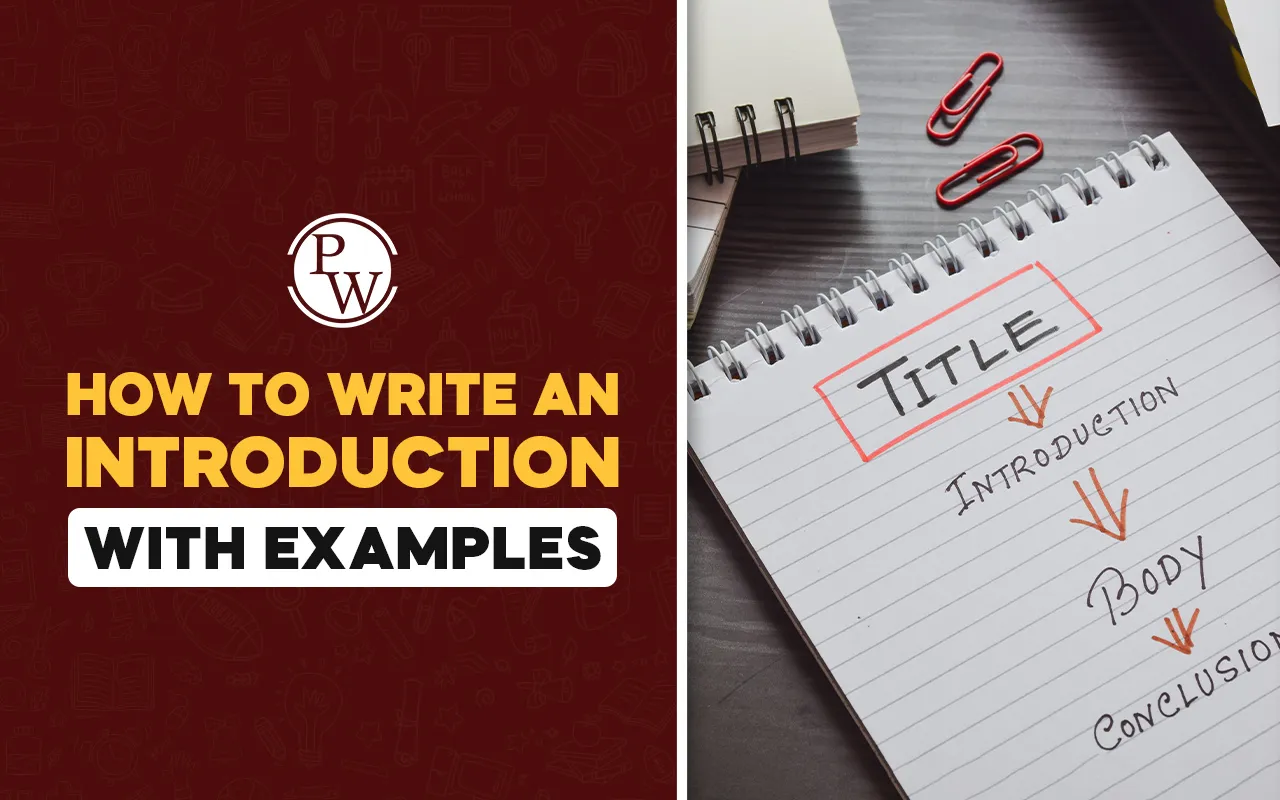
What Is an Introduction Paragraph?
An introduction paragraph is the first part of any writing. It is usually a short paragraph. It tells the reader what the topic is and gives some background information. Most importantly, it includes a sentence called the thesis statement, which explains the main point of the writing. These parts work together to help the reader understand the topic and feel interested in reading more.
Read More: Practice English Without Adding Extra Study Time
Introduction Paragraph Format
The introduction paragraph format is simple. Start with a hook to grab attention. This could be a question, a fun fact, or a short story. Next, give a little background information so the reader understands the topic better. Finally, write your thesis statement. This is a clear sentence that tells what your writing is all about.
For example:
-
Hook: Do you know why some animals sleep during the day and stay awake at night?
-
Background: These animals are called nocturnal animals. They are active at night and sleep during the day.
-
Thesis Statement: In this essay, we will learn what nocturnal animals are, why they behave this way, and how they survive at night.
How to Write a Good Introduction Paragraph?
Here are five easy steps to help you write a good introduction paragraph:
-
Decide what your main topic is.
-
Think of a fun or interesting way to start (your hook).
-
Write a sentence or two with background information.
-
Add a thesis statement.
-
Check your writing to make sure it makes sense and follows the right introduction paragraph format.
A good introduction paragraph is short, clear, and interesting. It sets the tone for the rest of your writing. Practice writing different types of introductions so you can improve your writing skills.
Read More: 7 Daily Habits to Improve Your Child's English Fluency
Introduction Paragraph Examples
Here are simple introduction paragraph examples for students:
Example 1: My Pet Cat
Have you ever had a friend who never speaks but always listens? That’s what having a pet feels like. Pets are not just animals; they become a part of our family and give us love and joy. Some people have dogs, birds, or even rabbits.
But I have a cat named Snowy. Snowy has white fur and blue eyes, and she loves to sit near the window and watch birds. Taking care of her has taught me responsibility, kindness, and how to understand feelings without words. In this essay, I will share all about my pet cat Snowy and the special bond we share.
Example 2: My Summer Holidays
Summer holidays are the most exciting time of the year for many students. There is no school, no homework, and so many chances to explore new things. Some children go to visit their grandparents, while others enjoy time at the beach or go on trips.
This summer, I did something different. I stayed at home, learned how to cook with my mother, read new books, and played indoor games with my brother. It was both fun and relaxing. In this essay, I will talk about how I spent my summer holidays and why they were special to me.
Example 3: The Importance of Reading
Have you ever gone on an adventure without leaving your room? Reading makes this possible. Reading books is one of the best habits a student can have. Books can take us to new places, introduce us to interesting people, and teach us important lessons. They can be about space, animals, magic, or real-life heroes.
When we read, we also become better at spelling, writing, and understanding the world. Some children read for fun, and some read to learn, but every kind of reading helps us grow. In this essay, I will explain why reading is important and how it can help us become smarter and kinder people.
Example 4: Why I Love My School
Most children spend a big part of their day in school, but not everyone enjoys it. I am lucky because I love my school. It is not just a place to study; it is a place where I have fun, learn new things, and make friends.
My teachers are kind and helpful. The classrooms are clean and bright. We have a big library, a playground, and even music and art classes. I look forward to going to school every morning. In this essay, I will describe why my school is my favorite place and what makes it special to me.
Example 5: A Day at the Beach
The beach is one of the most peaceful and fun places to visit. The sound of the waves, the smell of the salty air, and the feeling of sand between your toes make the beach a perfect place for a family outing.
Last Sunday, my parents took me and my sister to the beach. We built sandcastles, played with a ball, and collected seashells. I even saw some small crabs and birds flying close to the water. It was a happy day full of laughter and sunshine. In this essay, I will describe my day at the beach and why I enjoyed it so much.
Read More: Best ways to prepare your child for English Olympiad
Mistakes to Avoid While Writing Introduction Paragraph
Even though writing an introduction paragraph is fun, there are some common mistakes students often make. If you want to write a good introduction, try to avoid these mistakes:
1. Starting with "This is my essay"
Many students begin their writing with sentences like “This is my essay about animals.” While this may seem okay, it doesn’t make the reader interested. A better way is to start with a question, a fact, or a short story. That will help catch the reader’s attention.
For example, “Have you ever seen an animal that can fly and talk at the same time? Parrots are amazing birds that do just that.”
2. Telling too much too soon
The introduction should only give a little information to prepare the reader. Don’t try to explain everything in the beginning. If you share too many details at once, your reader might feel confused or bored. Save the facts, examples, and big ideas for the main part of your writing.
Tip: Give just enough to make the reader want to know more.
3. Using difficult words
Sometimes students use long or hard words to sound smart. But the best writing is clear and easy to understand. Use simple and correct words that match your class level. If your reader cannot understand your words, they may stop reading.
Tip: If a younger student or your friend can understand your writing, then you’ve done a good job.
4. Not having a clear topic
Your introduction must clearly tell what your paragraph or essay is about. If the reader finishes your introduction and still doesn’t know the topic, it means something is missing. Always include a sentence that shows the main idea.
Good example: “In this essay, I will share why I enjoy gardening with my grandfather.”
Also read: 10 Interesting English Facts Kids Should Know
Improve Your Child’s English Writing Skills with CuriousJr Online Classes
Are you worried that your child’s English writing is not improving or that broken sentences may slowly turn into a habit? Many children mix Hindi and English, leave sentences incomplete, make spelling mistakes, and find it hard to write clear answers. These issues need attention early so they do not continue for years.
How CuriousJr English online classes helps:
-
Live classes that teach clear and correct sentence building
-
Grammar explained in simple steps children can follow
-
Vocabulary taught through everyday examples
-
Regular writing practice in each class
-
Cambridge certified curriculum for learners
-
Small batches for personal attention
At CuriousJr, our mentors focus on improving writing from the very first session. With steady practice and step by step support, children move from broken English to clear and confident writing that shows real progress. Begin your child’s improvement with our classes. Book a Demo.