How Parents Can Encourage Daily English Practice?
 Nikita Aggarwal17 Nov, 2025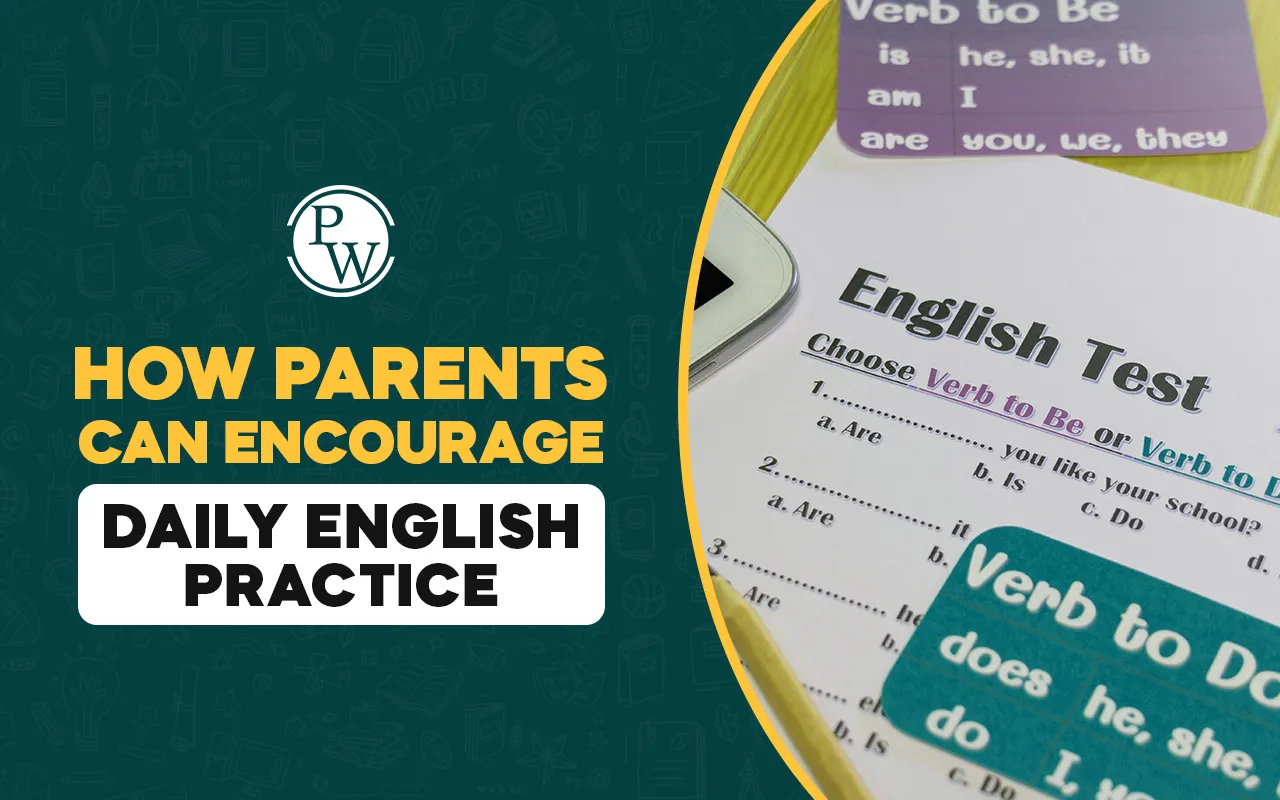
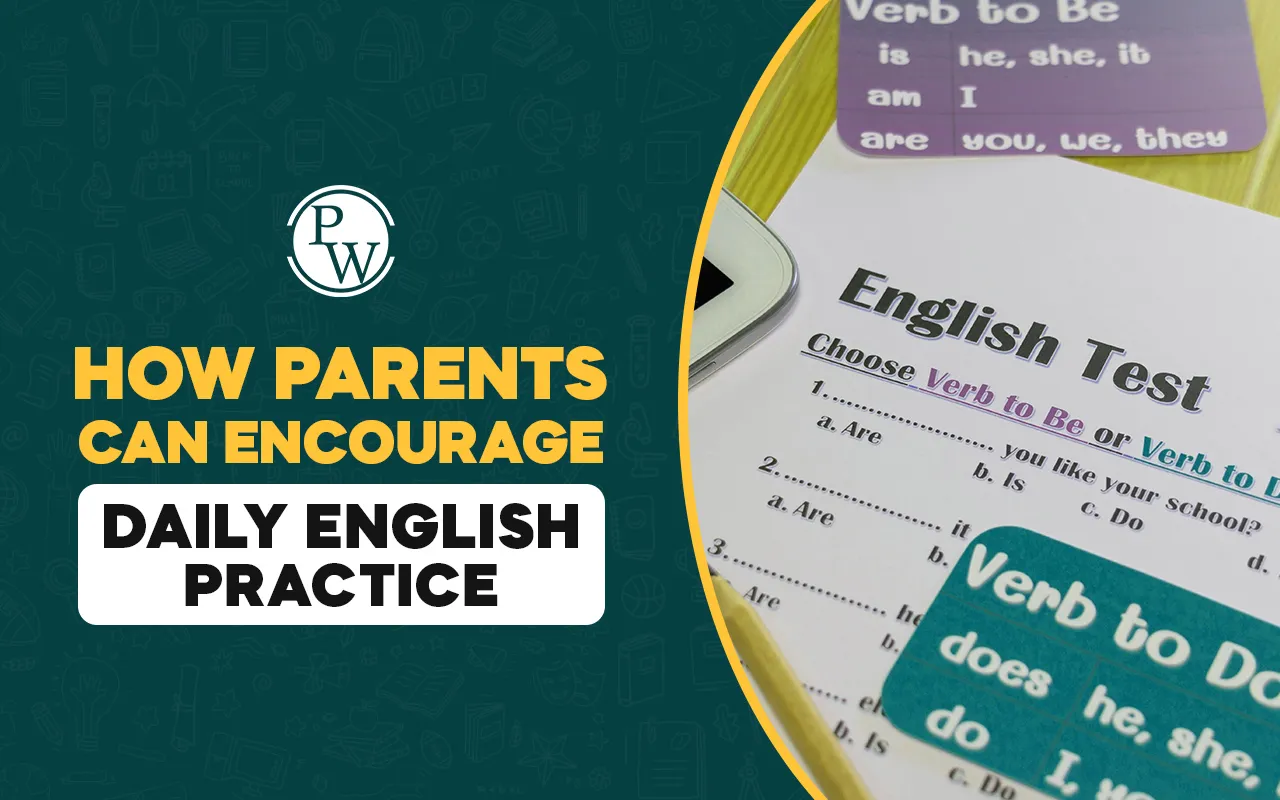
English Language Learning for Students
Learning English is an important life skill for young students which allows them to understand concepts, follow instructions, and communicate effectively in school settings and beyond.
Parents must encourage their children to stay consistent with daily English learning practices at home, which can make a big difference in their learning journey. We will highlight some practical strategies for parents to make English language learning fun, engaging, and effective for kids.
Strategies for Encouraging Kids for Daily English Language Learning
Parents play an important role in helping children develop strong English skills by using creative and consistent methods. Here are some effective strategies parents can use to motivate their kids to learn, practice, and use English confidently and appropriately for meaningful communication.
Create the Right Environment for Learning
It’s important to create a positive environment for learning English. Children learn best when they enjoy it. Parents should focus on creating small, achievable daily goals for their kids.
It may include learning new words, reading a short story, or having a short conversation in English. Encourage your child by acknowledging their effort. It builds confidence and motivation to study the English language.
Also read: Easy Tips to Improve English Vocabulary
Make English Part of Everyday Life
An effective way to learn the English language is to make it a part of daily activities. Parents can blend English language learning into everyday routines.
For instance, ask your child to describe what they like about a food, game, or story. Encourage them to name different items while shopping, read labels and instructions, or converse with others to make English a part of everyday communication.
Use Cambridge English Online Resources
Cambridge English online provides effective and globally recognized resources for structured learning that align with international standards. It helps students to build proficiency in the English language with accuracy and confidence.
Parents can encourage their children to take advantage of Cambridge learning English programs that offer interactive activities, quizzes, grammar exercises, and audio materials designed to match various age groups and learning preferences.
Encourage English Reading Habits
Reading is one of the best ways to develop vocabulary, comprehension, and grammar skills. You can start with simple storybooks or picture books for your child and gradually move to short novels or articles.
Create a mini home library with English books suited to your child’s interests. Encourage “reading aloud” habits to improve spoken skills with better pronunciation and fluency.
Watch and Listen Together
Children learn a lot through audio-visual mode. Watching English cartoons, movies, or educational videos together can help them understand pronunciation, expressions, and sentence structures. Choose age-appropriate shows with English subtitles to enhance reading and listening skills. Listening to English songs, audiobooks, or podcasts can be very effective for certain age groups.
Also read: English Speech Topics for Students
Encourage Daily Writing Practice
Writing is an excellent way of learning English through practice. Parents can introduce creative and interactive writing tasks for their children, such as
-
Maintaining a notebook for recording new words with meanings.
-
Writing a letter or email to a family member in English.
-
Writing short poems, essays, or reports.
Daily writing habits can significantly improve vocabulary, grammar skills, and spelling accuracy. Parents should monitor the progress, correct mistakes, and support them to improve rather than being critical.
Make Learning Interactive with Games and Apps
Digital platforms have transformed language learning into an enjoyable experience. Allow access to interactive apps and websites that combine quizzes, puzzles, and pronunciation exercises that help children learning English online effectively and build proficiency. You can set up daily or weekly targets to make the learning process more engaging and exciting for your child.
Practice Speaking in Real Situations
An effective way to learn English speaking is to communicate in real-life situations without the fear of making mistakes. Encourage your child to speak English during simple daily interactions like ordering food, greeting guests, or talking to friends and family members. These practical exercises help them gain confidence in English speaking and communicate effectively in different situations.
Also read: 7 Reasons to enroll your kids in English speaking class
Create a Structured Routine
A structured approach plays an important role in quality learning. Fix a specific time each day for English practice where you can mix reading, writing, listening, and speaking activities, focusing on a comprehensive development in language proficiency.
For example:
-
Monday: Read an English story and find new words.
-
Tuesday: Watch a short English video and explain.
-
Wednesday: Write about an incident that happened in school or at home.
-
Thursday: Practice English speaking through communication with parents.
-
Friday: Play a word game or quiz using English words or sentences.
How CuriousJr’s Cambridge-Based English Tuition Makes a Difference?
CuriousJr offers Cambridge-certified English Champ online english classes for students from 6 to 14 years old. Our aim is to help young learners gain command over the English language and build the confidence to communicate effectively. This program is structured according to different age groups as follows:
-
Pre A1-Starters (Age 6-8): This foundation level course focuses on learning basic English using fun and engaging methods.
-
A1-Movers (Age 8-10): At this level, students start learning reading, writing, and speaking independently and fluently.
-
A2-Key (Age 10-12): This program guides students to communicate confidently in English through speaking practice, writing activities, and group tasks.
-
B1-Preliminary (Age 12-14): At this stage, students improve their English skills to communicate and write with more clarity and confidence.
This program focuses on building correct grammar rules for writing clearly and accurately, helping students build confidence at school and in regular conversations.
At CuriousJr, our dedicated teaching methods and Cambridge-based curriculum make English learning for kids simple, fun, and effective. Our small-group English learning through online classes allows your child to get enough attention and support from the mentors. You can rely on CuriousJr’s structured modules to boost your child’s motivation to study the English language with more interest.
So why wait? Book a demo today to know more about our classes!