CBSE Class 7 The Making of Regional Cultures Notes 2026-27 | Free PDF

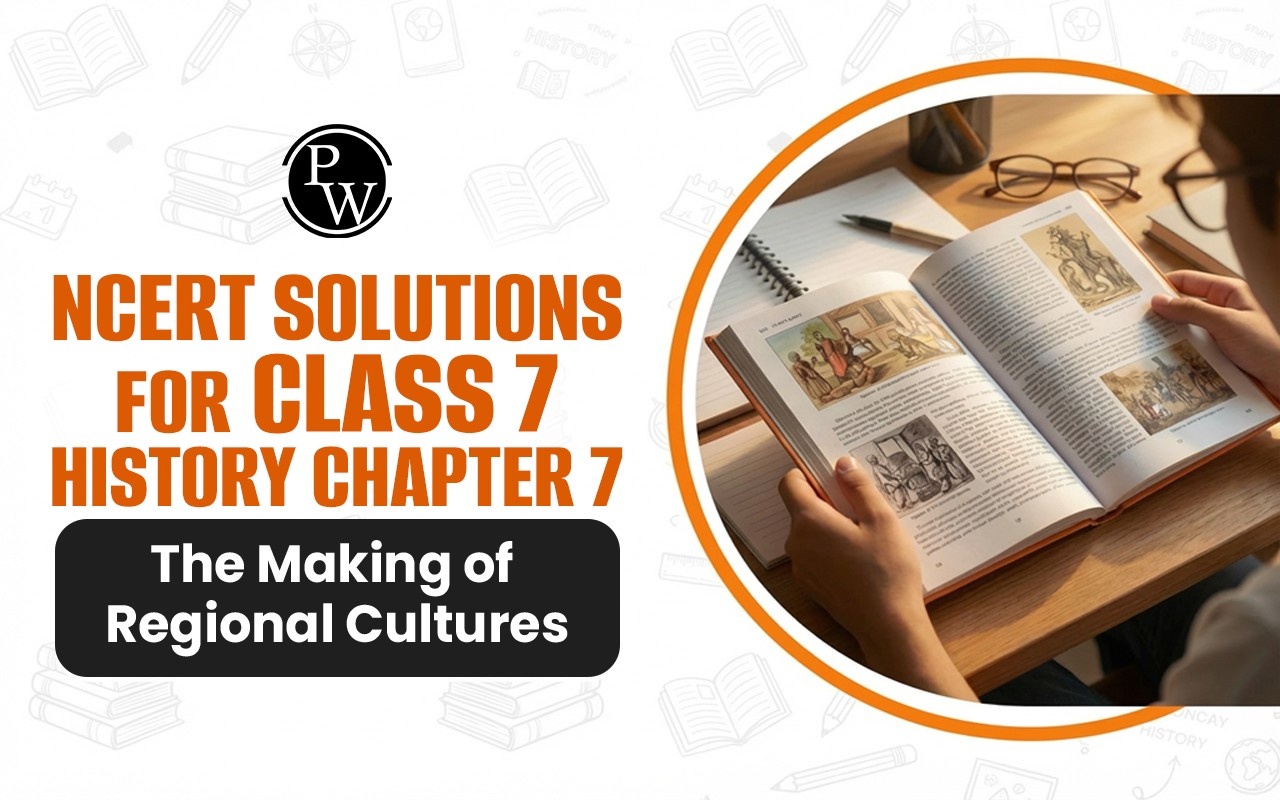
Regional cultures in India developed through the interaction of local traditions with influences from other regions and communities. Language, religion, food, clothing, dance, music, poetry, and painting all contributed to the distinct identity of different regions. Understanding these changes helps students connect cultural practices with their historical background.
These CBSE Class 7 The Making of Regional Cultures notes simplify key topics such as Malayalam, the Jagannatha cult, Rajput traditions, Kathak, miniature paintings, and Bengal's regional culture. The notes also provide important facts and examples for quick exam revision.
What is Class 7 The Making of Regional Cultures?
This chapter looks at how the cultural identity of a region develops over time through the interaction of local customs with ideas from outside. People are often identified by the language they speak and the region they live in - Tamil in Tamil Nadu, Oriya in Odisha - but regional identity also includes food, clothing, dance, music, poetry, and painting. Some cultural practices are shared across regions, while others remain unique to one area.
The chapter covers several major themes:
-
Language and Region: How Malayalam developed in Kerala under the Cheras, and how Manipravalam blended Sanskrit with Malayalam.
-
Religion and Regional Identity: How the Jagannatha cult of Puri grew from a local tribal tradition into a major centre of pilgrimage and political power.
-
Heroic Traditions: How Rajput culture in Rajasthan celebrated valour, loyalty, and sacrifice through songs, poems, and minstrels.
-
Dance and Culture: How Kathak evolved from temple storytelling into a royal court art with the Jaipur and Lucknow styles.
-
Miniature Painting: How Mughal painting styles spread to regional courts and gave rise to schools like Kangra and Basohli.
-
Bengal's Regional Culture: How language, religion, food, and local leadership evolved together in Bengal.
Class 7 The Making of Regional Cultures Notes PDF
Accessing quality study material shouldn't be a challenge. We provide a downloadable PDF so you can revise offline, whether you're commuting or taking a quick study break without an internet connection. Having a portable version of these notes makes it easy to look up important names, dates, and terms like Manipravalam or Anangabhima III right before an exam.
Class 7 The Making of Regional Cultures Notes PDF
Features of Class 7 Regional Cultures Notes
These notes break down a wide-ranging chapter into smaller, manageable sections so nothing feels overwhelming. They are different from standard textbook summaries because they highlight only what is likely to be asked in your CBSE exams.
-
Snippet-Ready Definitions: Terms such as Manipravalam and periodic pilgrimage traditions are defined in short, clear lines suited for "Define the following" questions.
-
Ruler-Wise Breakdown: Key figures like Anantavarman, Anangabhima III, and Prithviraj Chauhan are organised clearly so you never mix up who did what.
-
Region-to-Art Mapping: A quick-glance connection between regions and their classical dance forms - Bharatanatyam, Kathakali, Odissi, Kuchipudi, and Manipuri.
-
Timeline Clarity: Events from the 8th-century Palas to the 16th-century Bengal Sultanate are placed in order to avoid confusion.
-
Real-World Connections: Ideas like regional cuisine and temple architecture are linked to the "why" behind local customs, not just the "what."
-
Portable Format: The PDF lets you carry the entire chapter on your phone or tablet for last-minute revision.
Benefits of Using CBSE Class 7 Regional Cultures Notes
From Manipravalam to Kathak and Jagannatha, these notes make it easier to connect names, regions, traditions, and historical developments while revising the chapter.
-
Connect the Dots: Link each region with its language, religion, art, dance, or literature to understand how its cultural identity developed.
-
Remember Through Stories: Rulers, traditions, and cultural changes are presented with key facts and examples, making them easier to recall.
-
Compare Similar Concepts: Quickly distinguish between topics such as Malayalam and Manipravalam, or the Jaipur and Lucknow traditions of Kathak.
-
Learn With Key Examples: Use examples such as Anantavarman and Anangabhima III, Rajput traditions, and Kangra paintings to support descriptive answers.
-
Revise Region-Wise: Move from Kerala and Odisha to Rajasthan, North India, and Bengal, and revise the major cultural developments of each region.
-
Turn Facts Into Answers: Use the important names, dates, regions, and cultural practices to frame clearer answers for short- and long-answer questions.
How to Score Well with Class 7 Regional Cultures Notes
Score better in Class 7 Regional Cultures with these simple, exam-focused notes and smart revision tips.
1. Separate Language from Religion
Don't mix up the language-based examples (like Malayalam and the Cheras) with the religion-based examples (like the Jagannatha cult). Keep separate short notes for each theme.
2. Remember the Two Kathak Styles
A common slip is treating Kathak as one single style. Always mention both the Jaipur tradition and the Lucknow tradition, developed under Wajid Ali Shah, when answering questions on dance.
3. Link Rulers to Their Exact Contribution
Anantavarman built the Jagannatha temple, while Anangabhima III dedicated his kingdom to the deity in 1230. Keep these two facts distinct to avoid losing marks.
4. Practice Matching Regions to Dance Forms
Make a quick chart pairing each state with its classical dance - this is a favourite type of question in exams.
5. Revise Bengal as a Combined Story
Bengal's chapter ties language, religion, and food together. Practice writing a short paragraph connecting all three so you can answer combined or long-answer questions confidently.
How CuriousJr Makes Online Learning Easy and Engaging
CuriousJr's online tuition classes support school learning through interactive lessons, personalised guidance, regular practice, and a comfortable learning environment.
-
Interactive Learning: Engaging lessons and activities help students stay involved while learning from home.
-
Strong Fundamentals: Focuses on building clear concepts that support better understanding of school subjects.
-
Personalised Attention: Teachers provide individual support based on each child's learning needs and pace.
-
Regular Practice: Activities and practice sessions help students reinforce concepts and improve their skills.
-
Confidence Building: A supportive learning environment encourages students to ask questions and participate without pressure.
-
Parent Updates: Regular progress updates help parents stay informed about their child's learning journey.
-
Flexible Learning: Students can spend more time on topics that need additional practice while progressing comfortably through familiar concepts.
The Making of Regional Cultures shows how language, religion, art, dance, literature, and food shaped India's diverse regional identities. These Class 7 notes simplify key topics and important facts for effective revision, while CuriousJr supports students with interactive learning, personalised guidance, and regular practice to strengthen their understanding.