
Social Studies for Class 3: Making History and Geography Fun for Kids
 Nikita Aggarwal12 Jun, 2026
What Topics Are Covered in Social Studies for Class 3?
The third-grade curriculum expands a child's worldview beyond their immediate household. The syllabus shifts from basic environmental studies (EVS) to structured Class 3 social science topics. These chapters establish the foundational framework for advanced historical and geographical learning in higher grades.
Understanding these primary themes helps parents identify what their child needs to learn throughout the academic year.
Family and Community Dynamics
-
Understanding Relations: Learning how individual families function, the role of extended family members, and the concept of hereditary traits.
-
Neighbourhood Networks: Discovering how diverse families live together to form a cooperative neighbourhood.
-
Community Helpers: Identifying the essential individuals who keep society running safely, such as doctors, firefighters, police officers, and municipal workers.
Celebrating Festivals and Culture
-
National Festivals: Understanding the historical significance behind Republic Day, Independence Day, and Gandhi Jayanti.
-
Religious and Regional Festivals: Exploring the diverse cultural fabric of the nation through celebrations like Diwali, Eid, Christmas, Gurpurab, and harvest festivals like Pongal or Onam.
-
Unity in Diversity: Teaching children to respect different languages, traditional attires, and culinary habits across various regions.
Read More - How Online Classes Help Shy Class 3 Students Ask Questions Without Hesitation
Shelter, Housing, and Clothing
-
Types of Houses: Comparing temporary, permanent, stilt, igloo, and mud houses based on geographic locations and climatic demands.
-
Evolution of Clothing: Exploring how early humans dressed versus modern clothing choices influenced by seasons and cultural traditions.
Waste and Environment Management
-
Eco-awareness: Introduction to the concepts of biodegradable and non-biodegradable waste.
-
The 3 Rs: Teaching practical applications of Reducing, Reusing, and Recycling within the household.
-
Preserving Resources: Basic habits to conserve clean water, reduce electricity wastage, and protect local flora and fauna.
Read More - How to Make Homework Time Less Stressful for Your Class 3 Child
How to Make Social Studies for Class 3 Fun and Easy to Learn
Teaching history and geography for Class 3 kids requires moving away from heavy textbook paragraphs and focusing on immersive experiences. At this developmental stage, children retain information exceptionally well when it is tied to visual representations, stories, or physical activities.
|
Subject Branch |
Traditional Boring Method |
Interactive Fun Method |
|
History |
Memorising chronological dates and long definitions from text lines. |
Storytelling with character voices, roleplays, and family tree timelines. |
|
Geography |
Copying map boundaries blindly and reading weather definitions. |
Building clay landforms, tracking daily weather charts, and interactive globes. |
|
Civics |
Rote learning traffic signs, rules, and duties for school exams. |
Designing mock traffic setups, board games, and community helper interviews. |
Creative Ways to Explore History
History is essentially a collection of fascinating true stories. To make historical concepts relatable to an eight-year-old, start close to home before expanding to global events.
-
Create a Personal Timeline: Help your child build a timeline of their own life, starting from their birth year to the present grade. Add photographs and key milestones. This teaches the abstract concept of past, present, and chronological order.
-
Biographical Storytelling: Instead of listing facts about historical figures, narrate their lives as heroic adventures. Focus on their childhood, their struggles, and how their choices changed the world.
-
Virtual Museum Excursions: Use free online archival tools to take virtual tours of ancient monuments, old coins, and traditional artefacts. Seeing real historical items sparks instant curiosity.
Strategies to Teach Geography
Geography deals with the physical world around us. Turning geographic lessons into visual and tactile experiences helps children grasp spatial concepts easily.
-
DIY Landform Models: Use colourful playdough or clay to construct mini-models of mountains, plains, plateys, rivers, and islands. Label each physical feature with small flag toothpicks.
-
The Sun and Shadow Experiment: Teach directions (East, West, North, South) by stepping out into the garden at different times of the day. Observe where the sun rises, track how shadows move, and use a real magnetic compass app.
-
Interactive Map Puzzles: Use puzzle boards where children place different states, countries, or continents into their correct slots. This builds an intuitive sense of borders, distances, and spatial locations.
Fun Activities to Learn Social Studies for Class 3
Parents often look for practical fun ways to teach SST Class 3 at home without making it feel like extra schoolwork. Gamifying the educational content ensures that children remain self-motivated and stress-free.
Educational Board Games and Map Quizzes
Transform geographical facts into a weekly family game night. Use large floor maps where children can physically step onto different regions based on clues provided.
-
Ask questions like, "Find a region known for heavy rainfall and stilt houses," or "Step on the capital city."
-
Use flashcards that show traditional dresses or monuments on one side, requiring the child to guess the corresponding state or historic er
Creative Craft and Construction Projects
Third graders love building things with their hands. Tie their arts and crafts sessions directly to their social science chapters.
-
Making Things (Crafts/Construction): Build miniature historical monuments using discarded cardboard boxes, ice cream sticks, and papier-mâché.
-
Scrapbook Journeys: Maintain a dedicated social studies scrapbook. When learning about festivals or regional cultures, let your child cut out pictures of traditional foods, paste relevant fabric scraps, and write down two unique facts about that culture.
Real-World Field Trips and Observation Walks
Learning should not be confined to a study desk. Take educational walks around your local neighborhood to ground textbook concepts in reality.
-
Safety Across and Traffic Rules: Walk down to a busy intersection. Point out the working of traffic lights, the importance of zebra crossings, and various road signs. Ask your child to explain what each symbol means.
-
Waste Management Audits: Visit a local recycling center or simply examine your household waste segregation bins together. Discuss where garbage goes and how citizens can keep their town clean.
Why Choose Online Classes for Social Studies for Class 3?
Enrolling your child in a structured social studies online class or seeking out focused Class 3 SST online classes offers benefits that go far beyond simple test preparation. Primary education lays the foundation for life-long analytical thinking.
Overcoming the Limitation of Rote Memorization
Specialized online tuition encourages children to think deeply rather than just memorising lines for an exam. When lessons connect directly to everyday life, abstract topics suddenly make perfect sense. This builds long-term memory retention and conceptual clarity.
Integrating Science and Environmental Studies
At the primary stage, social sciences often overlap with environmental education. Comprehensive programs like Class 3 EVS online tuition seamlessly bridge the gap between human society and the natural environment. Students learn how human housing, waste management, and resource consumption directly impact plants, ecosystems, and water bodies.
Boosting Academic Confidence in School
When a child learns tough concepts beforehand through engaging animations and fun stories, their fear of the subject vanishes. They become highly enthusiastic about participating in school discussions, raising their hands to answer questions, and tackling assignments independently.
How CuriousJr Makes Social Studies for Class 3 Easy to Learn
When home guidance needs a structured boost, modern digital learning platforms offer excellent academic support. CuriousJr provides an exceptional educational framework specifically designed to simplify complex primary topics for young school students.
CuriousJr online class 3 tuition transforms passive video watching into a lively classroom experience through a highly systematic approach:
-
Comprehensive Syllabus Alignment: The curriculum covers all vital primary themes including Family & Community, Celebrating Festivals, Making Things, Waste & Environment, Housing & Shelter, and Safety Across.
-
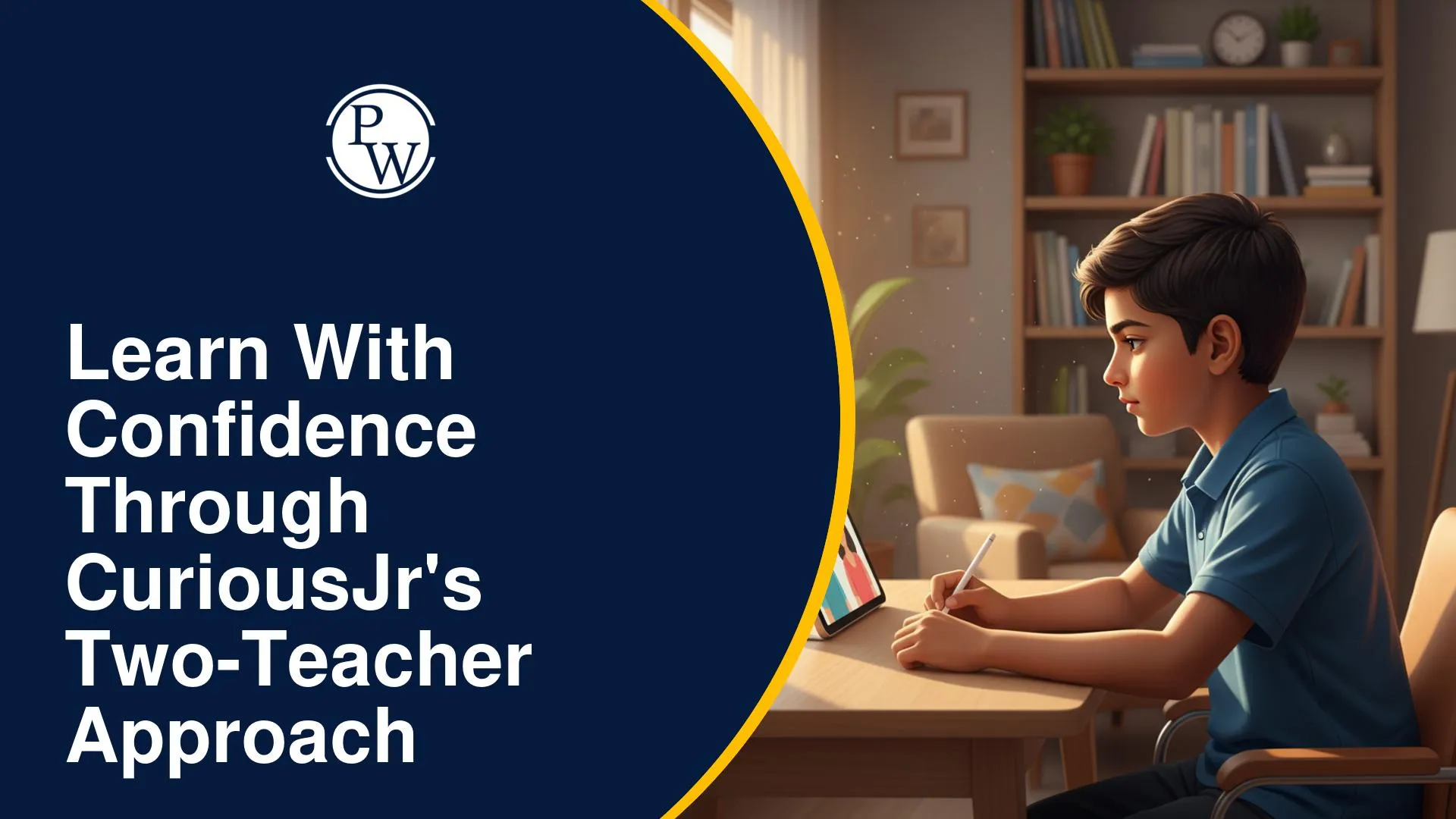
The Unique Two-Teacher Model: Every online session features two dedicated educators. While one main teacher explains the core concept using engaging visual aids and real-life examples, the second teacher focuses entirely on interacting with students, answering text doubts, and keeping everyone involved.
-
Live Interactive Elements: Classes utilize colourful animations, gamified quizzes, and instant reward badges. This approach keeps children actively engaged, preventing them from losing focus or feeling bored.
-
Stress-Free Homework Support: Mentors provide real-time guidance on school assignments and textbook exercises. This reduces academic pressure at home and ensures assignments are completed on time with clear conceptual understanding.
-
Regular Practice and Feedback: Parents receive detailed progress reports and tailored worksheets. This continuous tracking helps pinpoint exactly where a child needs extra attention before school exams begin.





Social Studies for Class 3: Making History and Geography Fun for Kids FAQs
What are the main topics included in Social Studies for Class 3?
How can I make history and geography for Class 3 kids interesting at home?
Why do children struggle with Class 3 social science topics?
How does the CuriousJr platform support primary school students?









Get Free Counselling Today
and Clear up all your Doubts
 Live & recorded classes available at easeDashboard for progress trackingLakhs of practice questions

