
How to Balance Studies and Play for Class 4 Students: A Practical Guide for Parents
 Gunika Shah11 Aug, 2026
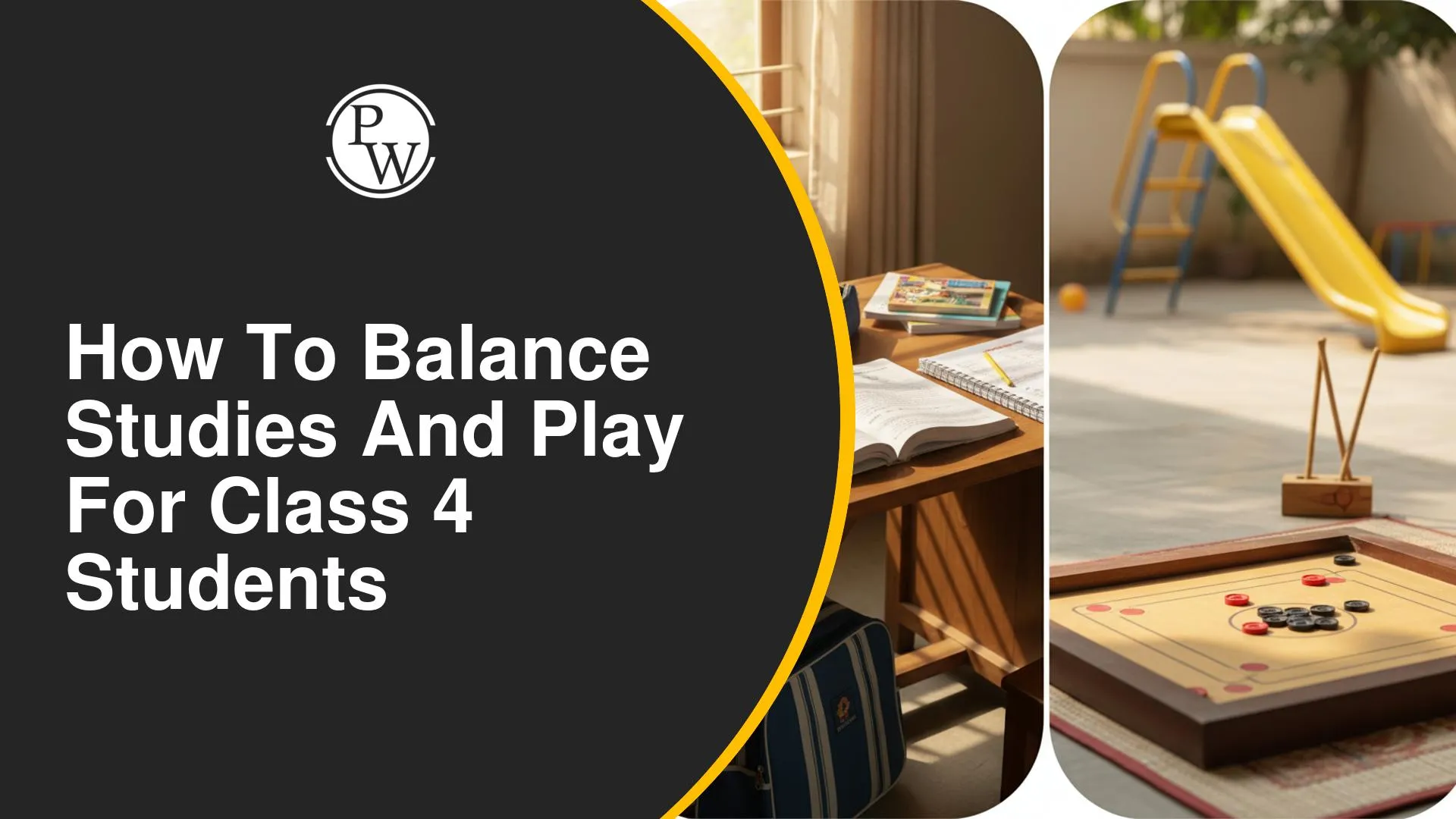
As children enter Class 4, schoolwork often becomes more detailed and requires greater attention. Parents may respond by increasing study time, especially when homework, revision, and tests begin taking up more of the day. However, reducing playtime to create more study hours may not always make learning more productive.
Both studies and play have an important place in a Class 4 child's day. Focused study time allows children to manage academic responsibilities, while outdoor play, creative activities, and breaks give them time away from schoolwork. CuriousJr Online Tuition can also make study time easier to manage through curriculum-aligned classes, interactive learning, homework assistance, and academic guidance.
Why Do Class 4 Students Need Both Studies and Play?
Class 4 children have schoolwork to manage, but they also need time to move, relax, interact, and pursue activities they enjoy. Studies and play serve different purposes in a child's day, which is why one should not consistently replace the other.
When children get focused study time, they can:
-
Keep up with classroom lessons, homework, and revision.
-
Practise concepts that need more attention.
-
Develop a regular habit of completing academic responsibilities.
-
Become more confident as difficult topics start making sense.
When children get regular playtime, they can:
-
Take a mental break after concentrating on schoolwork.
-
Stay physically active through outdoor games and movement.
-
Use creativity through drawing, building, games, or imaginative activities.
-
Spend time interacting and cooperating with other children.
The aim is not to divide the day equally between the two. A balanced routine gives children enough focused time to manage their studies without allowing academic work to take over the time they need for play, rest, and other interests.
Read More - My Child Is Losing Interest in Studies in Class 4 – What Should I Do?
How Can Parents Balance Studies and Play in Class 4?
A workable routine should fit the child's school timings, homework load, energy levels, and other activities. Instead of planning every hour of the day, parents can establish a few predictable habits that leave room for both responsibilities and free time.
-
Create a Consistent Daily Routine
Set regular times for homework, revision, meals, play, and sleep so children know what to expect. Leave some flexibility for days when homework takes longer, or another school activity needs attention.
-
Set Realistic Study Goals
Give children specific tasks, such as completing an assignment or revising one topic, instead of simply asking them to study for a fixed number of hours. Keep daily goals achievable so children can concentrate on the work rather than rushing to finish a long list.
-
Include Short Breaks
Allow children to stretch, have water, move around, or briefly relax between periods of focused work. Keep academic tasks out of these breaks so children get a genuine pause before returning to their books.
-
Protect Time for Play
Make room for outdoor games, sports, creative activities, or other interests instead of treating play only as a reward for good marks. Let children choose some of the activities they enjoy so their free time feels different from their school routine.
-
Reduce Distractions During Study Time
Keep unnecessary screens, toys, and other distractions away while homework or revision is being completed. A quieter study environment can prevent a short task from stretching across a much longer period.
-
Appreciate Effort and Progress
Notice when your child works independently, understands a difficult concept, or becomes more consistent with schoolwork. Avoid using marks as the only measure of progress, particularly when the child is still working through a new topic.
-
Encourage Regular Doubt-Clearing
Encourage children to ask about questions or concepts they do not understand instead of leaving them unresolved. Clearing confusion early can prevent them from spending additional time struggling with the same concept later.
Read More - What Makes an Online Class 4 School Tuition Engaging?
How Can Study Time Become More Productive?
Finding room for play becomes easier when the time set aside for studies is used effectively. Long hours do not necessarily lead to better learning if a child is distracted, confused, or simply repeating information without understanding it.
Parents can focus on how children study rather than only how long they study:
|
Instead of |
Try |
|
Long, unfocused study sessions |
Use shorter sessions with a clear task or topic to complete. |
|
Reading the same explanation repeatedly |
Try examples, visual explanations, stories, or another method when a concept remains unclear. |
|
Only memorising answers |
Ask questions that encourage the child to explain an idea in their own words. |
|
Leaving doubts until tests |
Address questions while the topic is still being studied. |
|
Doing only textbook exercises |
Include quizzes, examples, and interactive practice where suitable. |
|
Checking only the final answer |
Ask the child how they reached the answer to understand their thinking. |
Using study time purposefully can reduce unnecessary hours at the desk and leave more room for play, rest, and other activities.
How Can CuriousJr Online Tuition Fit Into a Balanced Class 4 Routine?
CuriousJr Online Tuition combines school curriculum-based teaching with interactive learning and continued academic guidance. Its learning approach gives children different ways to understand concepts, practise schoolwork, and get help when they are stuck.
-
Daily Learning Aligned With School
Daily live classes follow the school curriculum, helping children work on topics connected with what they are learning in class. Having regular lessons can also provide consistency without parents having to plan every concept or revision topic themselves.
-
Make Lessons More Engaging
Storytelling-based teaching and animated content present concepts beyond conventional textbook explanations. Interactive quizzes give children opportunities to participate and apply what they have understood during a lesson.
-
Support for Homework and Doubts
Homework support provides guidance when children are unable to complete a question independently. Instant doubt-solving allows them to clarify confusing concepts rather than repeatedly struggling with the same problem.
-
Flexibility With Recorded Classes
Recorded classes give children another opportunity to go through a lesson if they miss a live class or need to understand a concept again. Parents can use this flexibility according to the child's schoolwork and daily commitments.
-
Keep Parents Informed
Weekly performance reports give parents regular information about their child's academic progress. Parent-teacher meetings also provide an opportunity to discuss learning difficulties and areas that may need more attention.
-
Guidance Through the Dual-Teacher Model
A Master Teacher focuses on teaching concepts during classes, while a Class Teacher provides personalised academic guidance. The Class Teacher also monitors progress and keeps parents updated through WhatsApp, providing an additional point of support outside the live lesson.
Balancing studies and play in Class 4 does not require filling every hour with planned activities. Children need focused time to manage homework and learning, but they also need space for outdoor play, creativity, breaks, and rest. Setting realistic goals and making study time more purposeful can help parents protect both. CuriousJr Class 4 Online Tuition can complement this approach with curriculum-aligned teaching, interactive lessons, doubt-solving, and personalised academic guidance.





How to Balance Studies and Play for Class 4 Students FAQs
1. How many hours should a Class 4 student study every day?
2. Is daily playtime important for Class 4 students?
3. How can parents create a balanced after-school routine?
4. What should I do if homework takes up my child's playtime every day?
5. How can CuriousJr Online Tuition support a Class 4 student's routine?










Get Free Counselling Today
and Clear up all your Doubts
 Live & recorded classes available at easeDashboard for progress trackingLakhs of practice questions

