
How Online PTM Sessions Keep Parents Informed About Their Child's Learning Progress
 Nikita Aggarwal8 Jun, 2026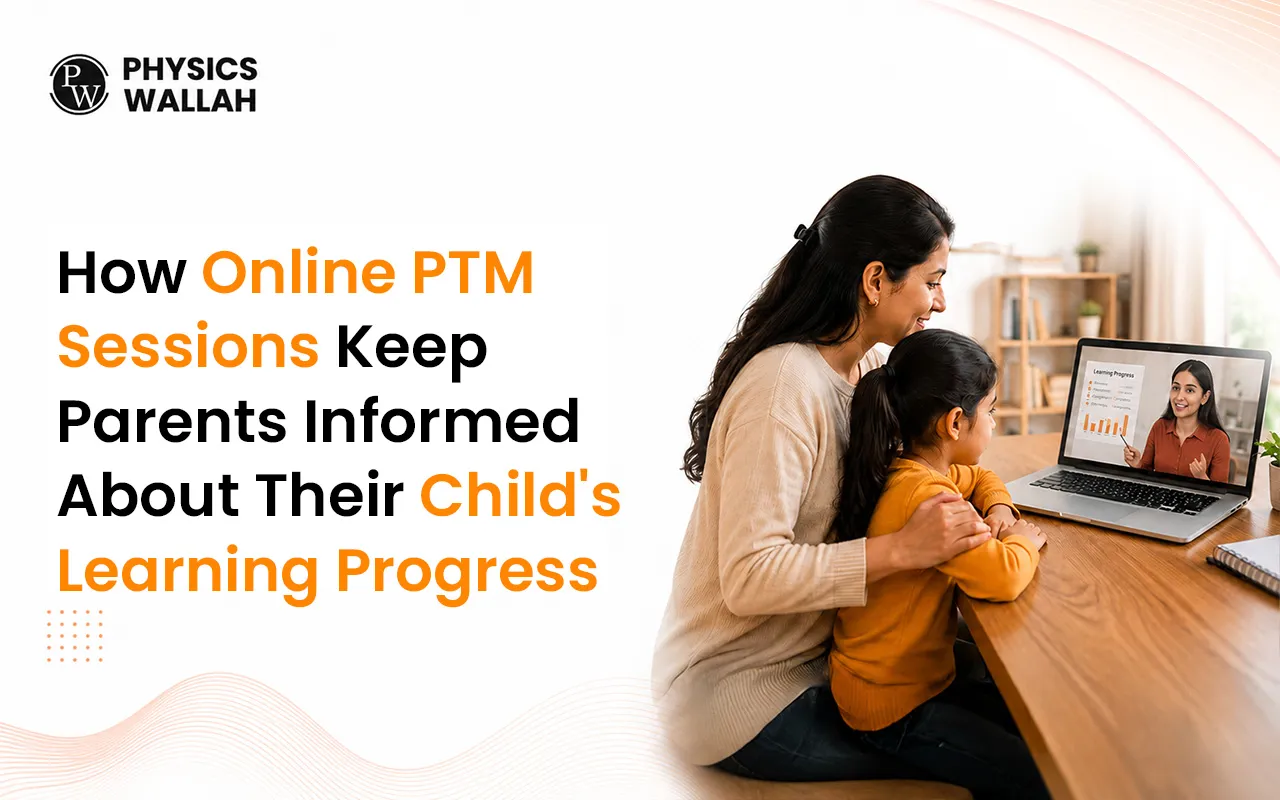
Importance of Online PTM Sessions for Parents
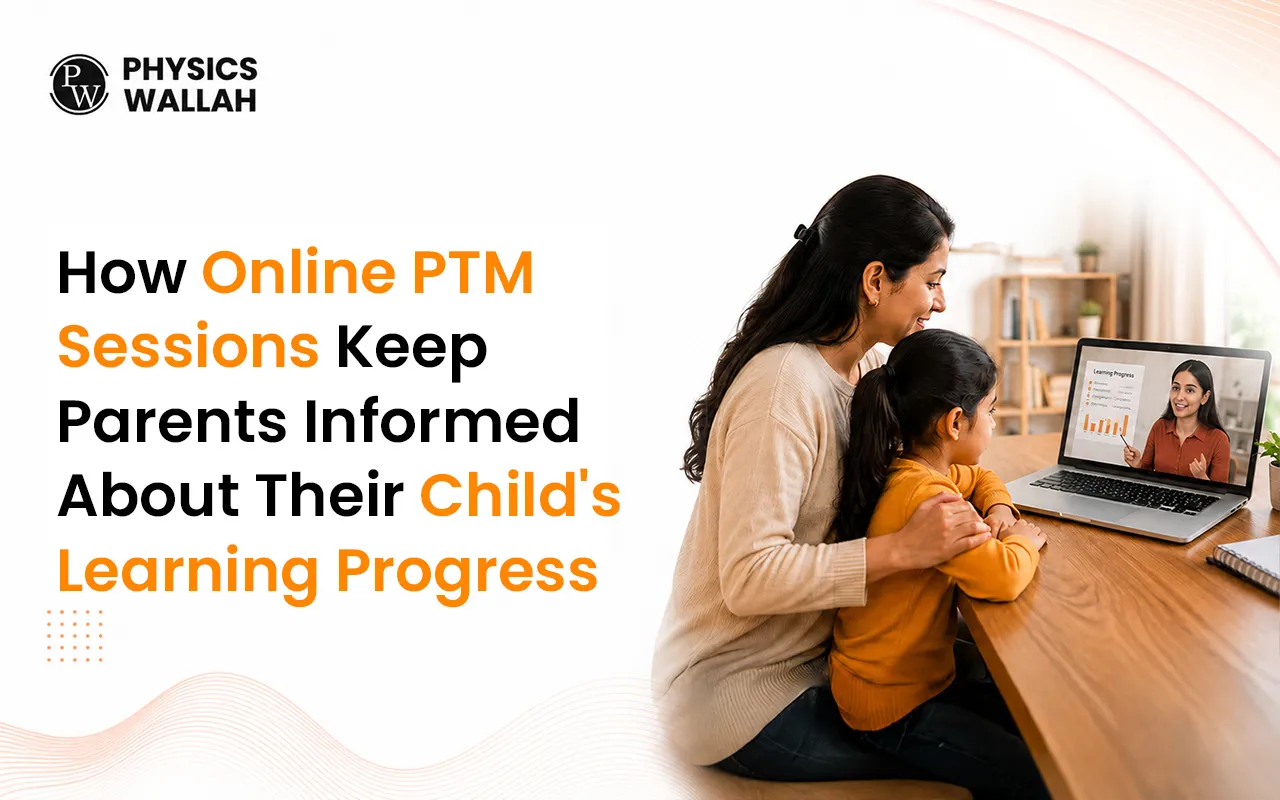
Digital classrooms move at a rapid pace, making structured communication between families and educators essential. Regular virtual meetings ensure that structural learning issues are identified and solved before they impact exam performance.
-
Real-time Visibility: Parents do not have to wait until the end of the academic term to discover that their child is struggling with foundational concepts.
-
Data-backed Tracking: Virtual reviews combine subjective teacher observations with objective learning metrics, such as quiz scores, concept mastery rates, and assignment completion speeds.
-
Convenient Access: It’s often difficult to make it to physical school premises with busy schedules. In online meetings, these spatial barriers disappear and people can participate regularly from home or work.
-
Cohesive Learning Plans: When educators and guardians look at the same data points together, they can create unified support structures for home study sessions.
How Online PTM Sessions for Parents Improve Student Progress Tracking
A Complete Child Learning Progress is no longer a simple card with percentage marks. Teachers can provide dynamic learning dashboards that provide a multidimensional view of a student’s daily progress during virtual sessions.
Key Metrics
During these structured digital meetings, educators explain specific indicators that highlight a student's strengths and areas for development:
-
Concept Mastery Levels: Tracking how well a student understands specific sub-topics before moving to advanced lessons.
-
Assignment Accuracy: Reviewing the percentage of correct answers in daily homework tasks rather than just marking submission boxes.
-
Learning Pace: Measuring the time a child takes to complete specific learning modules compared to standard grade-level averages.
-
Retention Rates: Evaluating how well a student retains information from previous months during unexpected revision quizzes.
Turning Data Into Action
Parents can use the performance statistics displayed on screen to see hidden learning patterns. Take a youngster who performs well in live class quizzes but not in individual assignments. Often this is a sign of lack of confidence rather than lack of topic knowledge. These exact data can be used in digital meetings with families to change their routines at home to provide the correct kind of assistance for their children.
How Online PTM Sessions for Parents Improve School Feedback
Getting clear, actionable school tuition feedback is one of the most effective ways to boost a student's confidence. Virtual meetings create a supportive space where teachers can deliver detailed feedback without the time constraints of crowded physical classrooms.
|
Type of Feedback |
What It Measures |
How Parents Use It at Home |
|
Academic Feedback |
Accuracy in tests, understanding of topics, and problem-solving skills. |
Setting aside dedicated time to revise specific, tricky chapters. |
|
Behavioral Feedback |
Focus during lessons, patience, and how well the student handles mistakes. |
Using praise to reward focus and creating a quiet, distraction-free study space. |
|
Participation Feedback |
Answering questions, using chat tools, and joining interactive games. |
Encouraging the child to ask at least one question during every live class. |
This detailed breakdown helps parents understand that meaningful progress involves more than just memorising textbook answers. By focusing on behavioral and participation trends alongside test scores, families can help their children develop better study habits that lead to long-term academic success.
Read More - Is Your Child's Online Course Truly Aligned with Their School Syllabus?
Benefits of Online PTM Sessions for Parents
Using virtual platforms for parent-teacher interactions offers distinct operational advantages over traditional formats. These benefits ensure that conversations remain focused on student development.
-
Elimination of Travel Friction: Parents save significant time by avoiding traffic and waiting lines, leading to higher attendance and more relaxed, productive conversations.
-
Screen-Sharing of Portfolios: Teachers can instantly share digital screens to show specific worksheets, interactive projects, and exam answers, pointing out exactly where errors occurred.
-
Secure Digital Records: Performance summaries, action plans, and progress charts are shared directly through private portals, giving families an organized archive to look back on.
-
Private and Focused Conversations: Virtual rooms ensure that sensitive discussions about a child's learning difficulties remain completely confidential, free from the distractions of a busy school hall.
How to Track Child School Performance Through Online PTM Sessions
Learning to track child school performance involves reading and understanding the automated metrics provided by modern educational platforms. Online parent-teacher interactions help guide families through these analytics dashboards seamlessly.
Monitoring Daily Engagement Indicators
-
Login Patterns: Checking if a student logs into their learning platform on time and maintains a consistent daily study schedule.
-
Live Lesson Focus: Viewing tracking data that shows whether a child stays active during digital sessions or frequently switches tabs.
-
Interactive Response Rates: Measuring how quickly and often a child clicks on live polls, answers chat prompts, and earns learning badges.
Analyzing Long-Term Academic Trends
-
Progress Trajectories: Reviewing line graphs that display whether test scores are rising, leveling off, or dropping over several months.
-
Topic Red Flags: Spotting specific subject areas where a child regularly inputs incorrect answers, signaling a need for immediate teacher support.
-
Homework Independence: Tracking how often a student finishes tasks without needing to reopen instructional videos or hints.
Read More - How Regular Progress Updates From Online Tutors Help Parents Stay Involved
How Parents Can Prepare for Online PTM Sessions
To get the most value out of your next digital parent-teacher review, follow this simple preparation checklist:
-
Review Dashboards in Advance: Spend ten minutes looking over the latest digital reports and assignment scores before logging into the session.
-
Write Down Specific Questions: Note any changes in your child's home study habits, motivation levels, or areas where they seem to struggle with homework.
-
Ensure a Quiet Environment: Set up your device in a quiet space to keep the discussion focused, clear, and fully confidential.
-
Involve Your Child When Helpful: Consider having your child join the last few minutes of the meeting so they can hear the teacher's praise and understand their learning goals.
How CuriousJr Supports Online PTM Sessions for Parents
The CuriousJr kids online tuition is built around active learning, two-teacher guidance, and transparent, consistent communication with families. The online PTM CuriousJr for parents to ensure that home support matches classroom instruction perfectly.
The CuriousJr Two-Teacher Advantage: While one expert teacher delivers the main lesson, a dedicated personal mentor focuses entirely on student participation, handles questions, and tracks daily performance. This comprehensive approach provides incredibly detailed progress reports for parent-teacher reviews.
-
Direct Alignment with Major Boards: Tuition lessons are carefully mapped to CBSE, ICSE, and State Board frameworks, ensuring that online tuition parent updates match what your child is learning in their regular school.
-
Hands-on Project Reviews: Meetings focus heavily on real-world applications, showing parents the experiments, coding projects, or creative designs their child has built.
-
Stress-Free Homework Support: Mentors use virtual meetings to show parents how real-time homework assistance helps children complete school assignments confidently, reducing household stress.
-
Focus on Essential Future Skills: Evaluations look beyond traditional school subjects to measure progress in critical areas like communication confidence, empathy, and logical problem-solving.





Online PTM Sessions Keep Parents Informed About Child's Progress FAQs
How do online PTM sessions for parents differ from traditional school meetings?
Can I review a child learning progress report during these digital meetings?
How often should I receive online tuition parent updates?
What should I look for when learning to track child school performance?
How does the CuriousJr school curriculum keep parents informed?






Get Free Counselling Today
and Clear up all your Doubts
 Live & recorded classes available at easeDashboard for progress trackingLakhs of practice questions

