Comparative Adverbs: Definition, Rules, Uses & Examples
 Nikita Aggarwal23 Feb, 2026

Have you ever tried to describe a race between two friends? You might say one friend ran fast, but the other ran even faster. When we want to show the difference between how two actions happen, we turn to comparative adverbs. Many students get these mixed up with adjectives, but there is a simple trick to remember: adjectives describe people or things (a fast car), while adverbs describe the "how" of an action (driving fast).
Understanding the comparative adverbs definition is a big step for Class 7 students. It helps you move past basic sentences and start writing with more detail. Whether you are describing a character in a story or explaining a science experiment, knowing how to compare actions adds a lot of life to your writing. This guide will help you master the rules of comparative adverbs, provide a handy list, and show you plenty of examples to get it right every time.
What is the Comparative Adverbs Definition?
The comparative adverbs definition refers to words used to compare the actions of two people, things, or groups. While a standard adverb tells us how something is done—like "Raj speaks loudly"—the comparative version lets us measure that action against someone else: "Raj speaks more loudly than his brother."
Basically, these words act like a scale. They measure speed, volume, or skill between two sides. In English grammar, the comparative adverbs definition reminds us that these words usually follow the verb (the action word). By using them, you can turn a flat sentence into a clear comparison that helps your reader picture exactly what is happening.
Read More - Adverb of Manner: Definition, Usage Rules, and Examples for Students
Simple Rules of Comparative Adverbs
Before you start writing, you need to know the "recipe" for building these words. The rules of comparative adverbs change based on how long the word is. Here is a quick breakdown to help you keep things straight.
1. Short Adverbs (One Syllable)
For short, snappy adverbs, the rule is easy. You just add "-er" to the end of the word.
-
Hard becomes harder
-
Fast becomes faster
-
Late becomes later
2. Adverbs Ending in "-ly"
Most adverbs are made by adding "-ly" to an adjective (like "slowly" or "carefully"). For these longer words, the rules of comparative adverbs say you should use the word "more" before the adverb instead of changing the ending.
-
Quietly becomes more quietly
-
Easily becomes more easily
-
Slowly becomes more slowly
3. The Irregular "Rule-Breakers"
Just like in sports, there are always a few words that don't follow the usual patterns. You simply have to remember this special list of comparative adverbs because they change their shape completely:
-
Well becomes better
-
Badly becomes worse
-
Far becomes farther (for distance) or further (for abstract ideas)
List of Comparative Adverbs
To help you with your next comparative adverbs worksheet, take a look at this table. It shows how the base word transforms into its comparative form.
|
Original Adverb |
Comparative Form |
How to change it |
|
Soon |
Sooner |
Add "-er" |
|
High |
Higher |
Add "-er" |
|
Brightly |
More brightly |
Use "more" |
|
Happily |
More happily |
Use "more" |
|
Loudly |
More loudly |
Use "more" |
|
Well |
Better |
Irregular |
|
Badly |
Worse |
Irregular |
|
Early |
Earlier |
Change "y" to "i" + "-er" |
Examples of Comparative Adverbs
The best way to get comfortable with these is to see them in a sentence. Notice how each of these comparative adverbs examples often uses the word "than" to connect the two actions being compared.
-
On the Track: "The cheetah runs faster than the lion."
-
In the Classroom: "She finished her project more quickly than she did last time."
-
At Home: "Aarav plays the guitar better than I do."
-
During Travel: "The train arrived sooner than the schedule said."
-
With Chores: "Please handle the dishes more carefully than you did before."
Using "than" is one of the most useful rules of comparative adverbs because it creates a bridge between the two things you are comparing.
Read More - Adverb of Degree: Definition, Rules, Examples
Common Mistakes to Watch Out For
Even when you know the rules, it is easy to trip up. Here are a few things to avoid when using a list of comparative adverbs:
-
Double Comparisons: Never use "more" and "-er" at the same time. Saying "more faster" is a big mistake. Just say "faster."
-
Noun vs. Action: Remember, if you are describing a person, use an adjective (He is a faster runner). If you are describing what they are doing, use the adverb (He runs faster).
-
Spelling Shifts: When a word like "early" ends in "y," don't forget to change that "y" to an "i" before adding your ending to get "earlier."
Why Using These Comparisons Matters
Mastering comparative adverbs is about more than just getting a good grade on a comparative adverbs worksheet. It’s about making your writing feel more alive and professional.
-
Be Precise: Instead of just saying someone is good at a sport, you can show exactly how much they’ve improved.
-
Keep it Flowing: Using different comparative adverbs examples stops your writing from sounding repetitive.
-
Build Confidence: Once you know when to use "more" versus "-er," you can write your essays much faster without worrying about mistakes.
Boost Your Child’s English Skills with CuriousJr
Is your child finding it difficult to learn English with confidence? Many traditional teaching methods focus mainly on memorisation, which often makes children hesitant in speaking, reading, and writing.
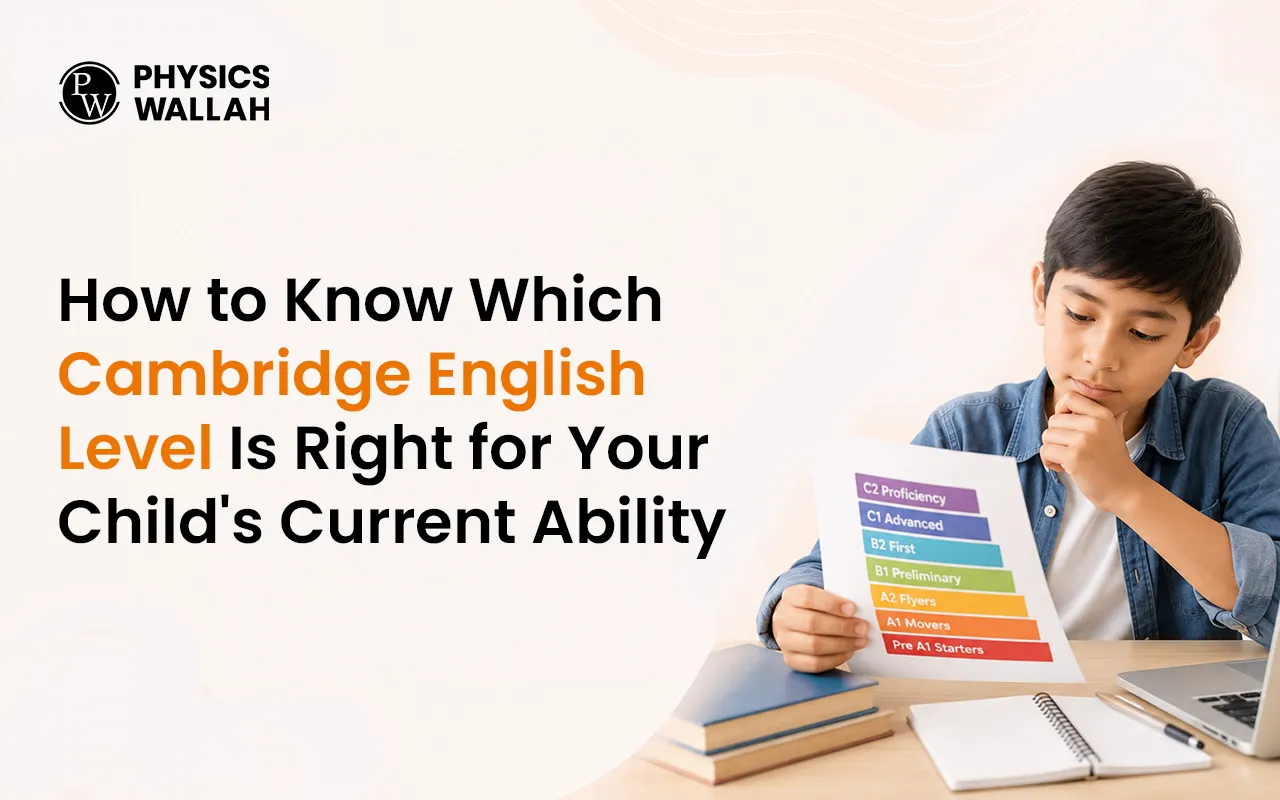
- CuriousJr’s English Online Classes provide a well-structured learning program designed for children aged 6 to 14. The course includes different levels such as Starters, Movers, Key, and Preliminary, helping children progress step by step at a comfortable pace.
- Through Cambridge-certified fluency training, children improve their grammar, vocabulary, and public speaking skills in a simple and engaging way.
- Live interactive classes offer personal attention, expert support, and regular feedback, helping children communicate more clearly and confidently.
- Each level focuses on practical communication skills so children not only learn English but also use it naturally in everyday life.
- Book a demo class today and see how CuriousJr’s English by Cambridge program can help your child become a confident English speaker.